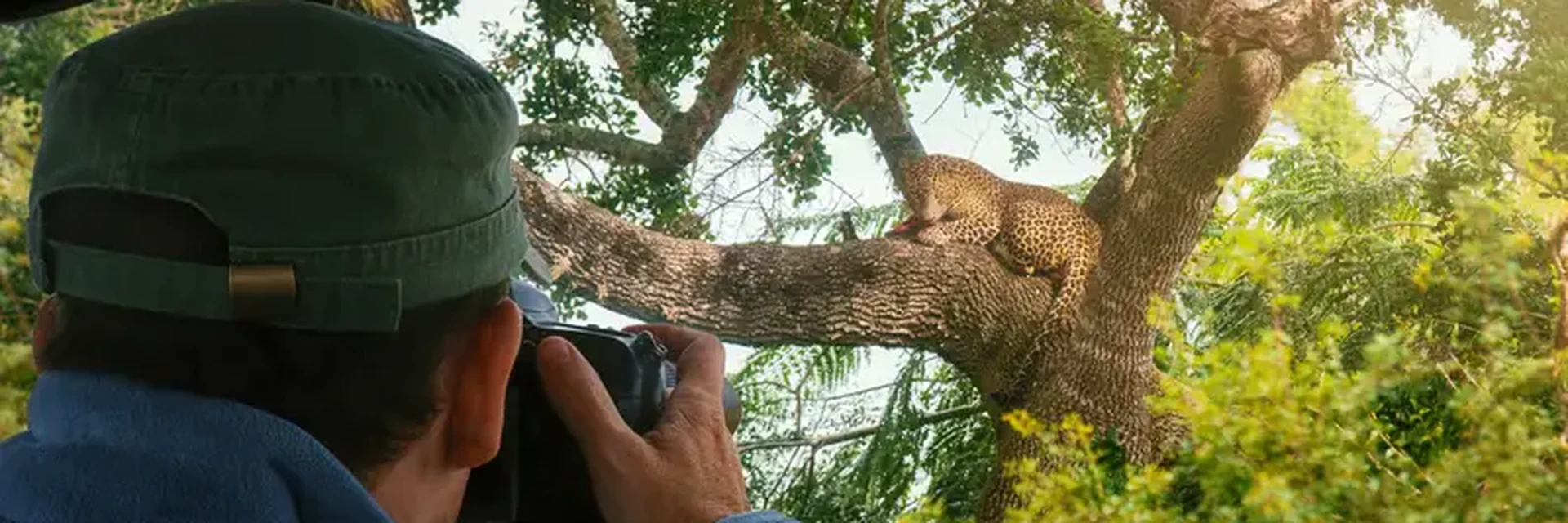
Wildlife Photography Tours in Sri Lanka
Guided by a professional wildlife photographer. Private jeep, golden hour timing, and an expert eye for animal behaviour.
What makes it different
A photographer's eye changes everything.
Most safari guides know where the animals are. A wildlife photographer knows where the light will be, how the animal is likely to move, and which angle gives you the image, not just the sighting.
That's the difference on a photography safari with Nomad Trails. Your guide has spent years inside Udawalawe National Park and Yala Block 5 & 6 with a camera, learning how animals behave at different times of day, in different seasons, and in different light.
The timing of the safari, the position of the jeep, when to stay and when to move. All of it is shaped by that experience. Not just to see wildlife, but to photograph it well.
Honest note: Wildlife is always unpredictable. No sightings are ever guaranteed. What we can offer is the best possible position: right time, right place, right light, and the knowledge to make the most of whatever the park gives you.
Photography tour at a glance
Who this is for
You don't need to be a professional.
The serious enthusiast
You shoot with a DSLR or mirrorless and you know what you're doing. You want a guide who can position you for the right angle, tell you when a behaviour is about to happen, and help you get the frame, not just the animal.
The committed hobbyist
You have a good camera and you want to improve. You'll get practical guidance in the field: composition, timing, light, delivered in a way that makes sense in the moment, not in a classroom.
The curious observer
You shoot on a phone or a compact, and that's fine. A photographer's eye for animal behaviour means you'll see more of what's actually happening, and that makes any photograph better, whatever you're shooting with.
From the field
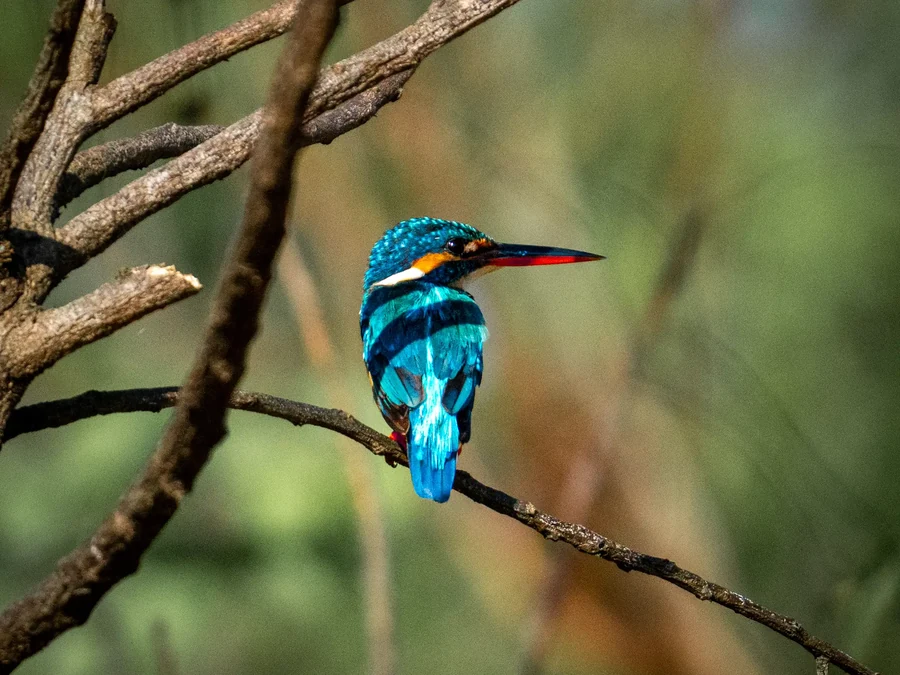
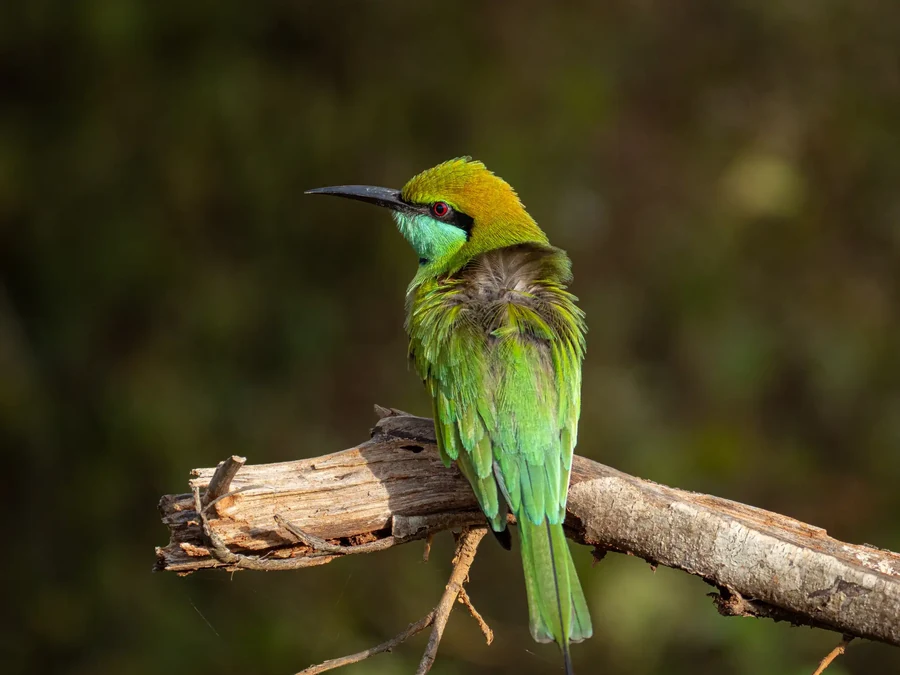
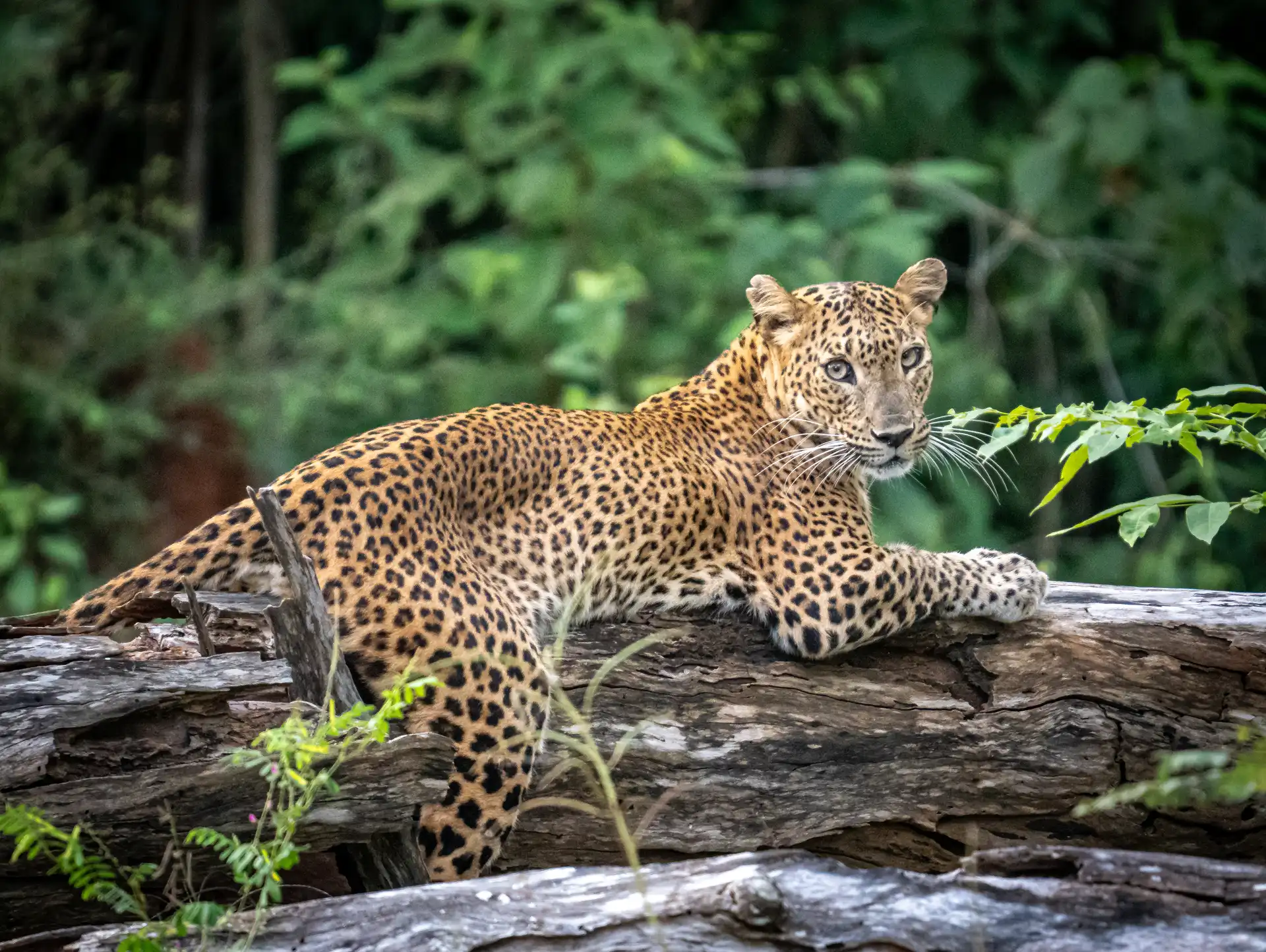
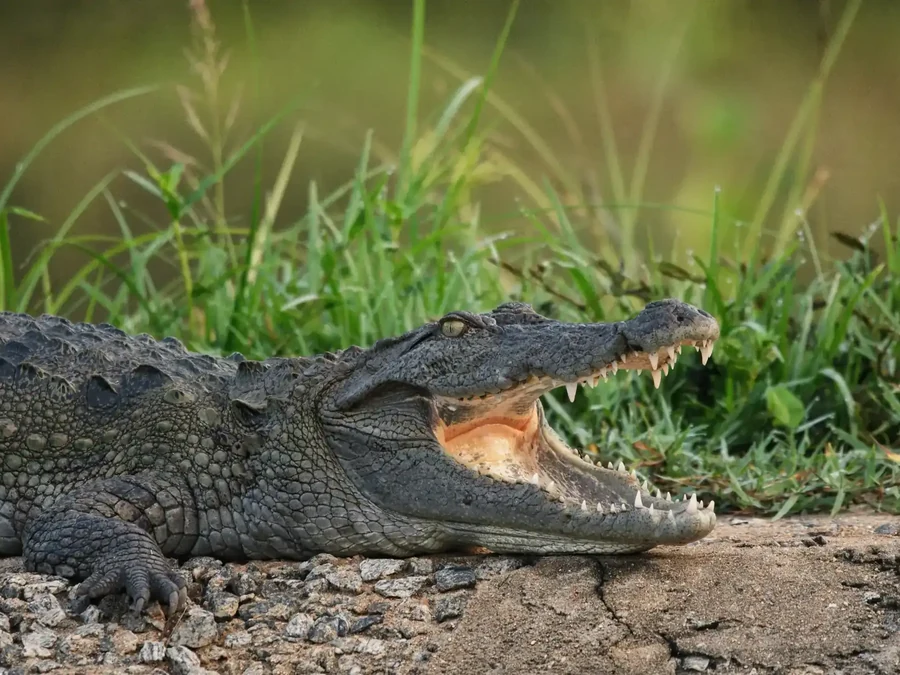
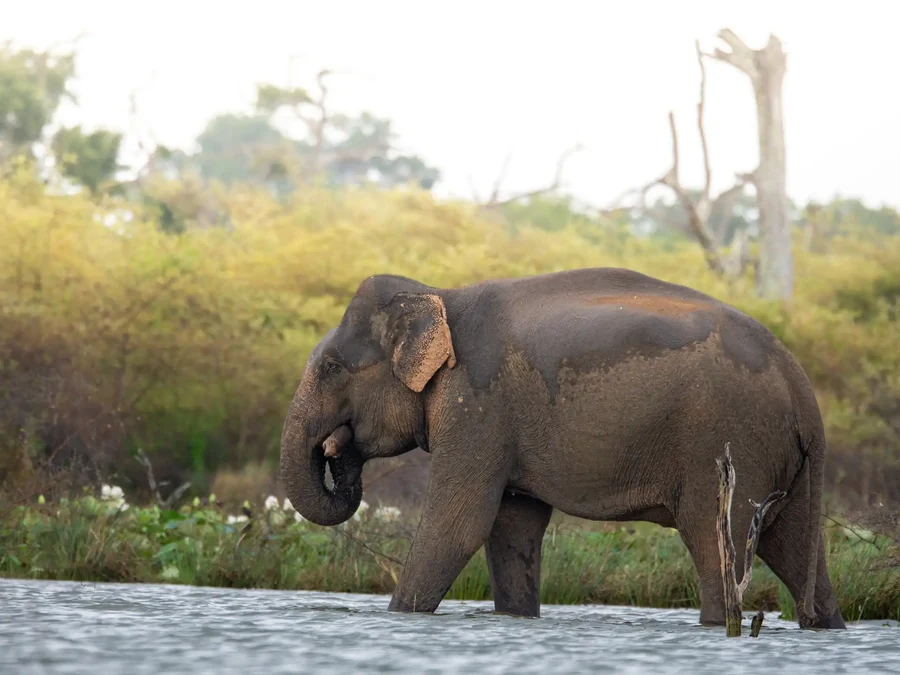
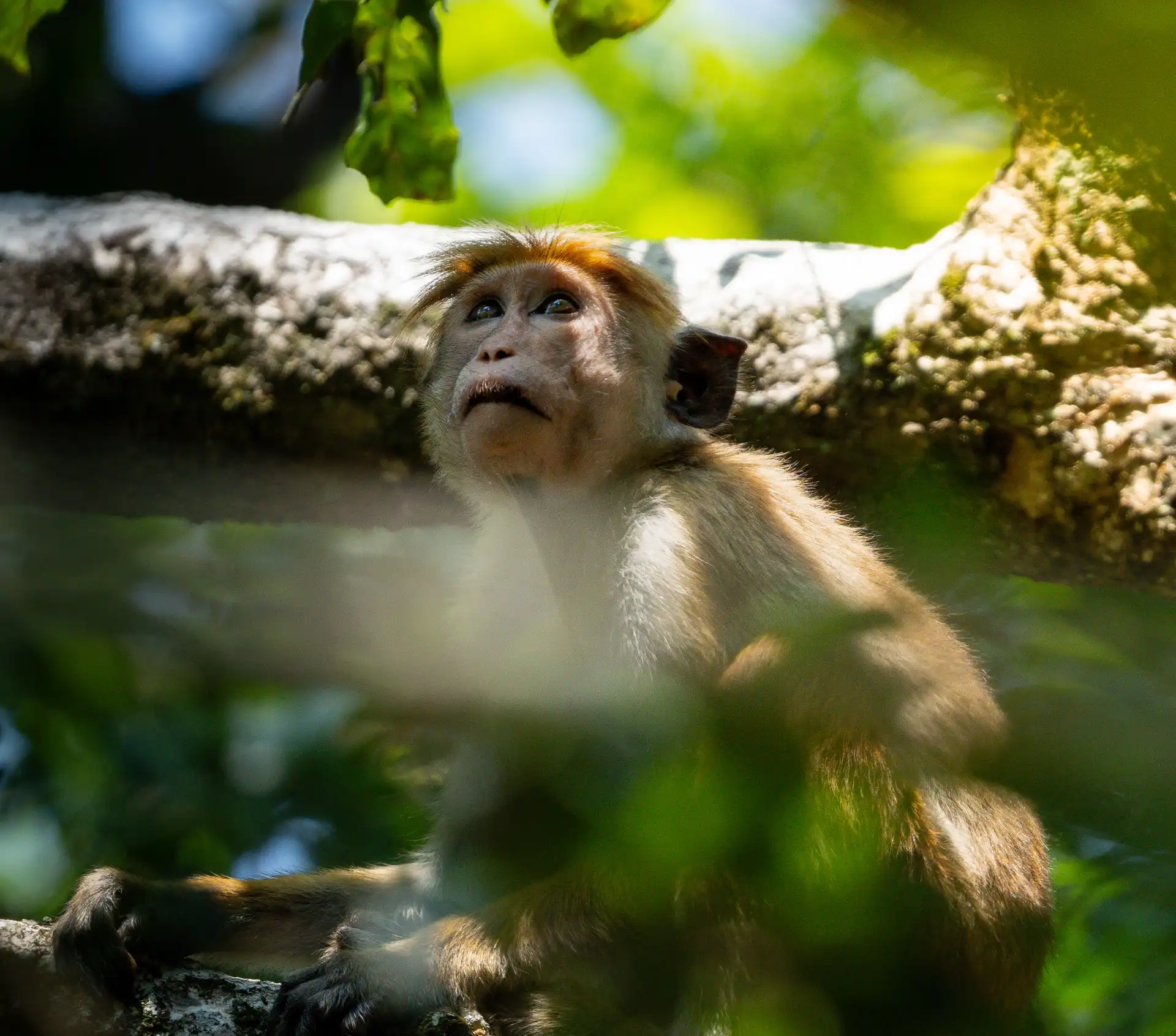
What you might photograph.
All photographs taken inside Udawalawe and Yala by your guide. No stock images.
Practical details
Gear, seasons, and what to expect in the jeep.
Whatever camera you have is fine. If you shoot with a telephoto, 300mm or longer is useful. A beanbag or small support helps with stability in a moving jeep. Bring more memory cards than you think you need, and a dust cloth. The parks are dry and dusty.
A fully open-sided 360° jeep — you can shoot in any direction without obstruction. Because the jeep is yours alone, we can reposition and angle it freely to line you up with the animal and the light.
In a shared vehicle, the jeep can't do that. You take whatever view you're given. That difference matters more than most people expect until they've felt it.
Both parks sit about thirty minutes apart and share the same seasons. January to April is the easiest window — drier days and soft light. July through August is another dry spell that draws wildlife in around the water.
Udawalawe is genuinely year-round. The elephants stay close to the reservoir whatever the season, so there's no wrong time to come.
Don't let the word monsoon put you off the rest of the year. Most mornings are warm and sunny, and the morning is when we're on safari. When rain comes, it usually holds off until afternoon and passes quickly.
Photography safaris are timed around the light wherever possible. Early morning entry for soft golden light. Late afternoon for the hour before sunset. Full Day safaris include a proper rest during the brightest part of the day before re-entering for the afternoon session.
Common questions
Photography safari questions answered.
Get in touch
Tell me what you're hoping to photograph.
Whether it's a leopard at Yala, elephants at Udawalawe, or you're not sure yet. Message on WhatsApp with your dates, your experience level, and what you're hoping for. I'll be straight with you about what's realistic.