Yes, weekends in Sri Lanka are usually busier inside the parks. That is when local families, school groups, and day-trippers visit, so you get both tourists and locals in the same place. Public holidays and school vacations add even more traffic. On weekdays it is often calmer, though some parks are so popular that you will still see jeeps no matter which day you go.
But crowding also depends a lot on the park itself. Sri Lanka has around 26 national parks, but only a handful attract the majority of visitors.
The parks that get the most traffic
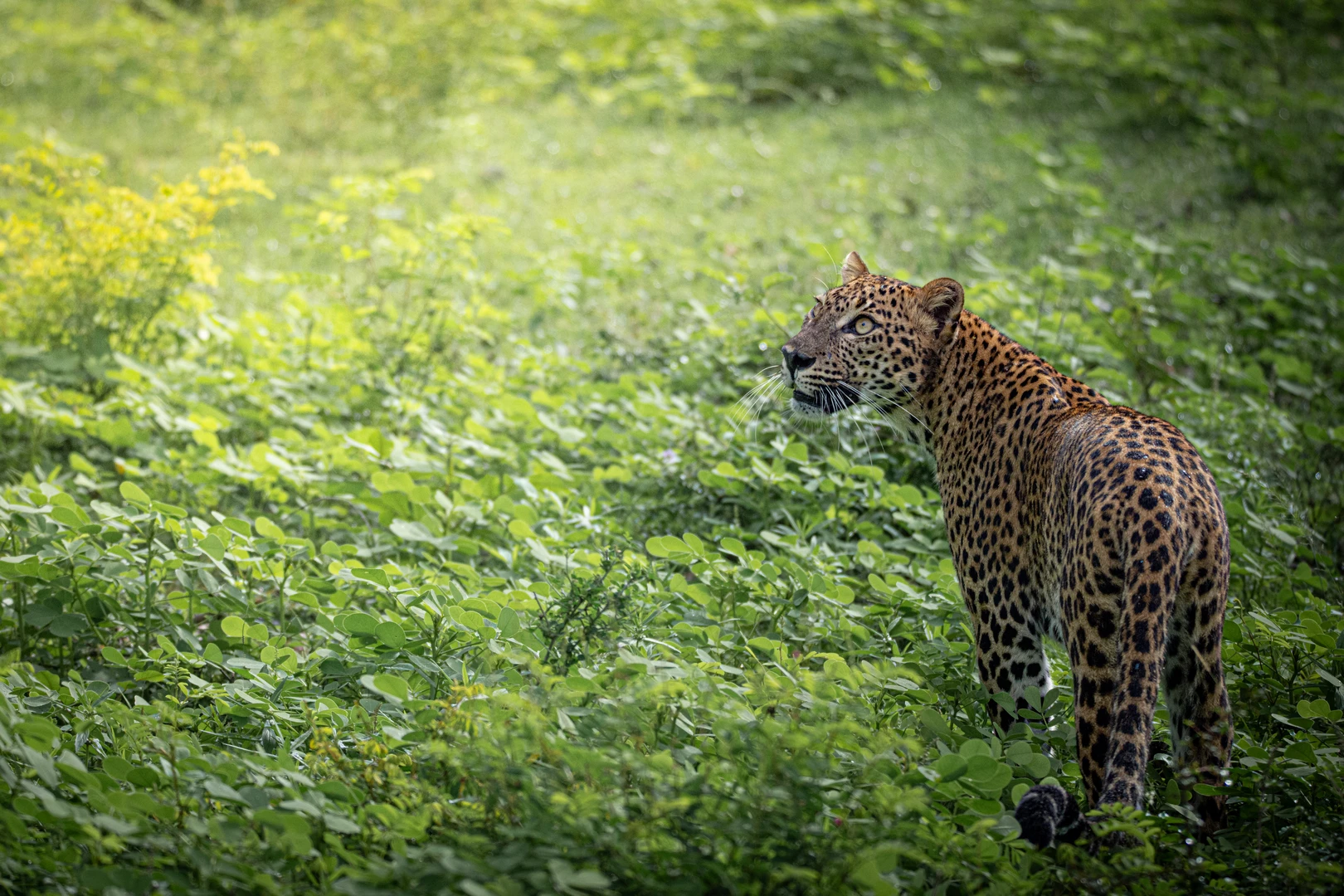
Yala, especially Block 1, is by far the busiest. It is world-famous for leopards, which is why most travellers put it on their list. That fame also brings long lines of jeeps at popular sighting spots.
Minneriya and Kaudulla, together with Hurulu Eco Park nearby, are another hotspot. From July to September, the Gathering happens: hundreds of elephants converge on the drying tanks as water levels drop. It is one of the most spectacular wildlife events in Asia. Naturally, the jeeps gather in large numbers too.
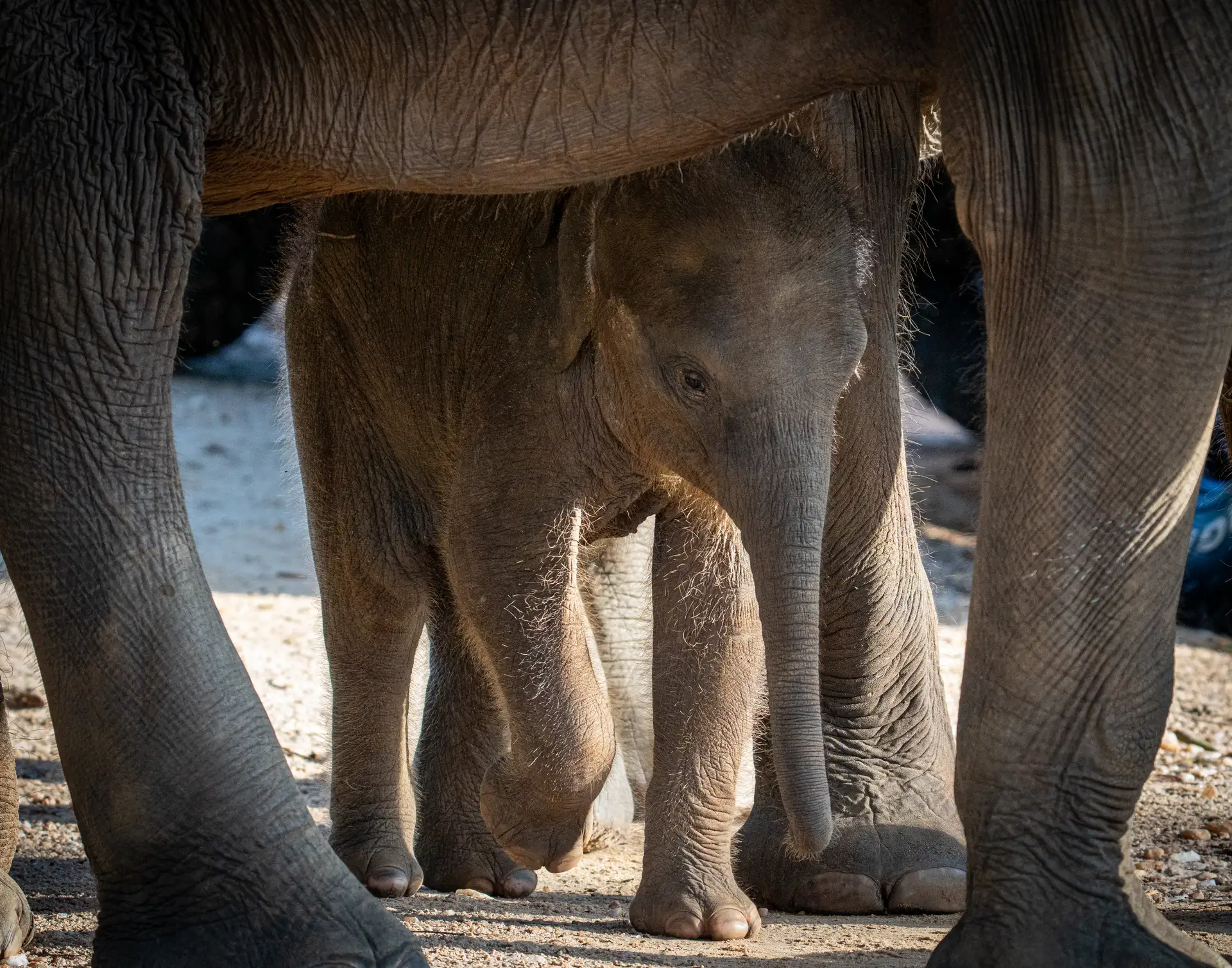
Udawalawe is popular all year round, known for its almost reliable elephant sightings and easy access from the south coast. Weekends here can get noticeably busy.
Wilpattu is Sri Lanka's largest park, so the traffic spreads out more. But in recent years it has grown in popularity for leopards and sloth bears. You still get bunches of jeeps around a good sighting, though usually not as intense as Yala Block 1.
Why these parks are popular and why that matters
There is a good reason these parks get the traffic they do. Yala has the best leopard density. Minneriya and Kaudulla give you the massive elephant gatherings. Udawalawe is almost certain for elephants any day of the year. Wilpattu combines predators with vast wilderness landscapes.
They deliver the big sightings most people come for. That is why they attract the biggest crowds.
But there are many lesser-known parks that do not see nearly as many jeeps and are still genuinely worth visiting. Wasgamuwa, Gal Oya, Maduru Oya, and Lunugamvehera may not guarantee leopards or hundreds of elephants, but they offer quiet, birdlife, and a chance to enjoy nature without the rush. For travellers who care more about atmosphere and space than ticking boxes, these parks can be even more rewarding than the famous ones.
How to avoid the worst of the crowds
Even in the popular parks, your experience is not fixed. How you plan matters.
Most jeeps crowd at the gates for the 6am opening and again for the 2pm afternoon session. If you enter a little later in the morning, or take routes that others avoid, the park feels completely different.
In Yala, Blocks 5 and 6 have a much calmer atmosphere compared to Block 1. A thoughtful operator knows these rhythms, takes the less-travelled routes, and avoids chasing sightings that will draw every other jeep in the area.
In Udawalawe, the parks gets busiest in the early morning rush and again in the late afternoon. Entering around 9 to 10am, once the early convoy has spread out, often gives you a quieter experience.
One thing I want to say about managing expectations
No matter which park you choose, it is important to go with an open mind.
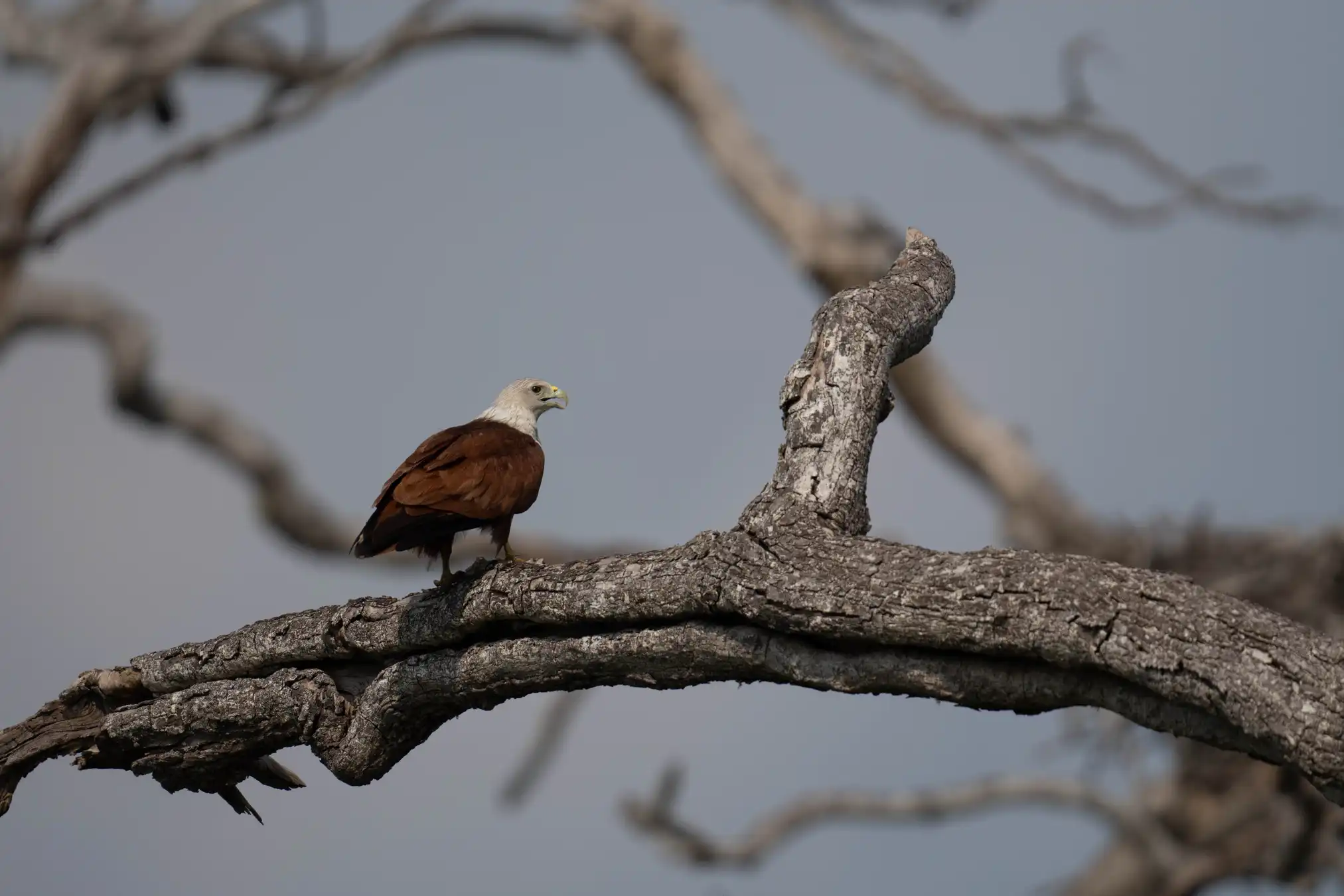
If you see a leopard, a sloth bear, or a large herd of elephants, consider yourself fortunate. If you do not, remember that this is wildlife, and nothing is ever guaranteed. The parks are full of life beyond the big animals. Elephants, leopards, and bears may grab the attention, but crocodiles, langurs, buffalo, hornbills, eagles, and even the tiniest bee-eaters are part of the same story.
I have seen guests become genuinely upset with their drivers, even refusing to pay, simply because they did not see one of the big animals. A driver can do their best and know the park deeply, but they cannot make nature perform on command. What they can do is give you the best possible chance, while the animals remain free to move as they wish.
The park you choose, the season, the block, the timing, and the guide all matter just as much as the day of the week.
If you can, weekdays are better. But more than the day, the approach matters most.