The best time to visit Yala depends on what you want from the visit. The answers for leopard chances, crowd levels, and general wildlife activity point to slightly different periods. Here is an honest month-by-month breakdown.
The dry season windows: February to April and July to August
The two best periods for dry conditions in Yala are February to April and July to August.
The south-west monsoon ends around February. Through March and April the land dries, water sources concentrate, and animals including leopards cluster around the remaining water points. Their movements become more predictable and sightings more reliable. These months are generally the most consistent for wildlife.
May and June are wetter. The south-west monsoon affects this part of Sri Lanka, and conditions become more variable. Sightings are still possible — and the park is less crowded than the peak dry months — but the reliable dry-season conditions that concentrate wildlife at water points are less consistent during this window.
July and August bring drier conditions again: open vegetation, low reservoir levels, and good visibility inside the park. These months are another strong window for leopard sightings, and crowd levels can be slightly lower than the February to April period.
The trade-off in the peak dry months: the best wildlife conditions coincide with the heaviest visitors. Block 1 in March or July can be spectacular and congested simultaneously.
The shoulder season: August to October
August and September bring the first hints of the south-east monsoon approaching, but conditions in Yala remain mostly dry. This is still a good period for wildlife, with leopard activity remaining reasonable.
Crowd levels begin to drop in August as the peak European summer holiday season ends. The park becomes noticeably quieter in September and October, which makes for a more comfortable experience even as conditions remain good.
October brings the beginning of intermittent rains. Block 5 and Block 6 are generally open throughout the year. Block 1 can close for maintenance, typically in September or October, but the timing and duration vary each year. Check current status with the Department of Wildlife Conservation before planning around this window.
The quiet season: November to January
After Yala reopens following its closure, the north-east monsoon brings regular rainfall to the south-east of Sri Lanka. The park becomes lush and green, vegetation thickens, and wildlife disperses as water becomes available everywhere rather than concentrated at a few points.
Sightings become less predictable. The leopards are harder to find in denser cover. Roads inside the park can become muddy.
But there are real advantages. Crowd levels are the lowest of the year. Birdlife is at its richest, with migratory species adding to the resident population. The landscape is beautiful in a completely different way from the dry season. Prices can be lower.
For someone whose priority is space and quiet rather than the highest leopard probability, November to January is worth considering.
What about rain during a safari?
Rain inside Yala is not necessarily bad. A light morning shower often makes animals more active, not less. The light after rain can be spectacular for photography.
Heavy sustained rain in the afternoon is different. It reduces visibility, makes tracks slippery, and often causes animals to shelter. But rain in the morning, followed by clearing: these are sometimes the best safari days of all.
The honest summary
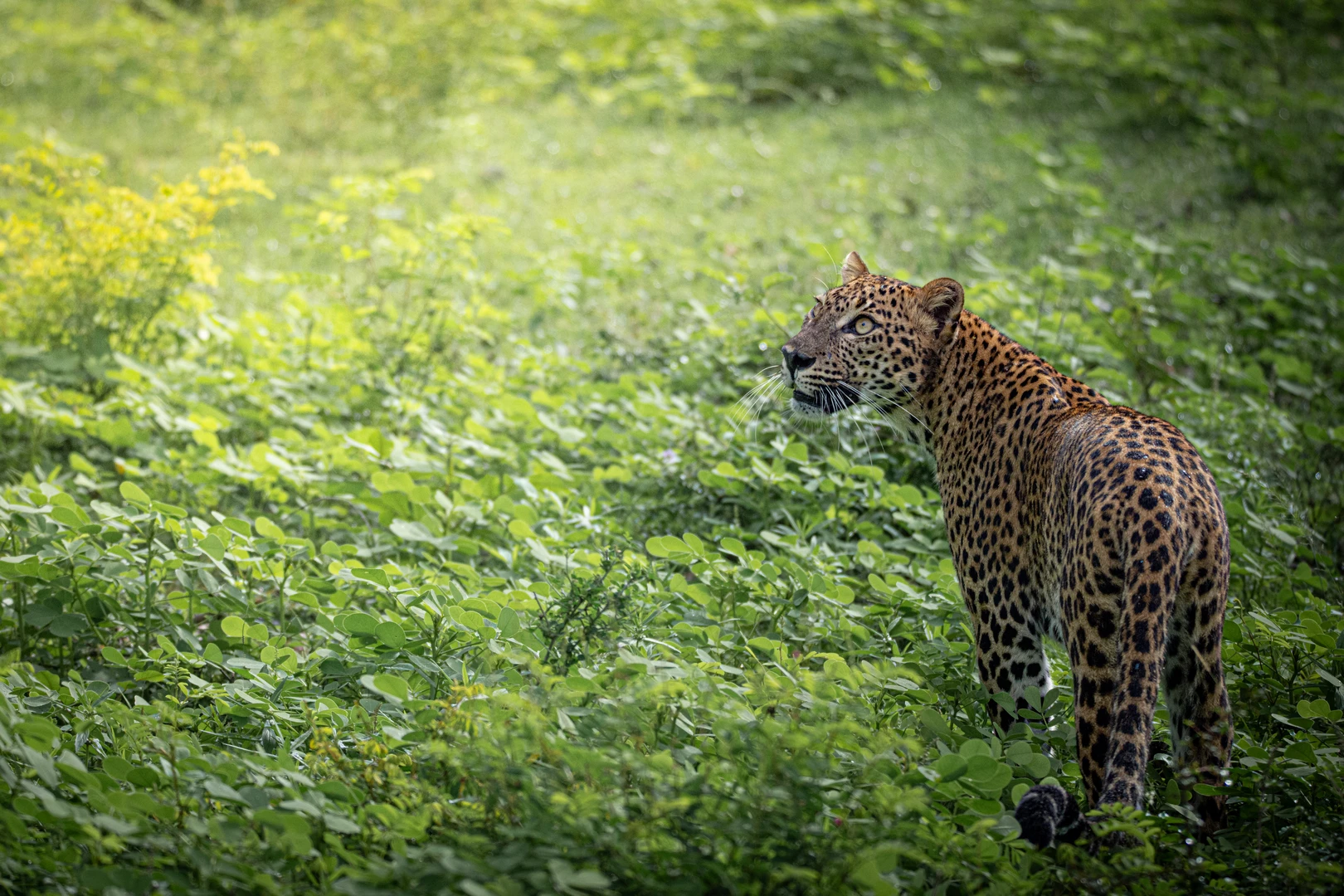
For the best leopard chances: January to March or July to August, early mornings, Block 1 or Block 5.
For the best balance of wildlife and manageable crowds: February to April, or July to August.
For quiet, affordable, and lush: November to January, accepting that sightings are less reliable.
For Block 5 and Block 6: open year-round. For Block 1: check current closure status, as it can shut for maintenance, typically in the September to October window.
For help planning your Yala safari around these windows, visit Yala Ethical Safari.