The question comes up often. Half day or full day? The honest answer is that it depends on the park, on you, and on what you want from the experience.
Here is how I think about it.
When a half-day is the right choice
For Udawalawe, a half-day safari is almost always the right choice. The park is compact and open, which means you can cover it meaningfully in four to five hours. On a typical half-day morning, you enter around 6am and leave by 10 or 11am. On a half-day afternoon, you enter around 2:30 to 3pm and stay until closing at 6pm.
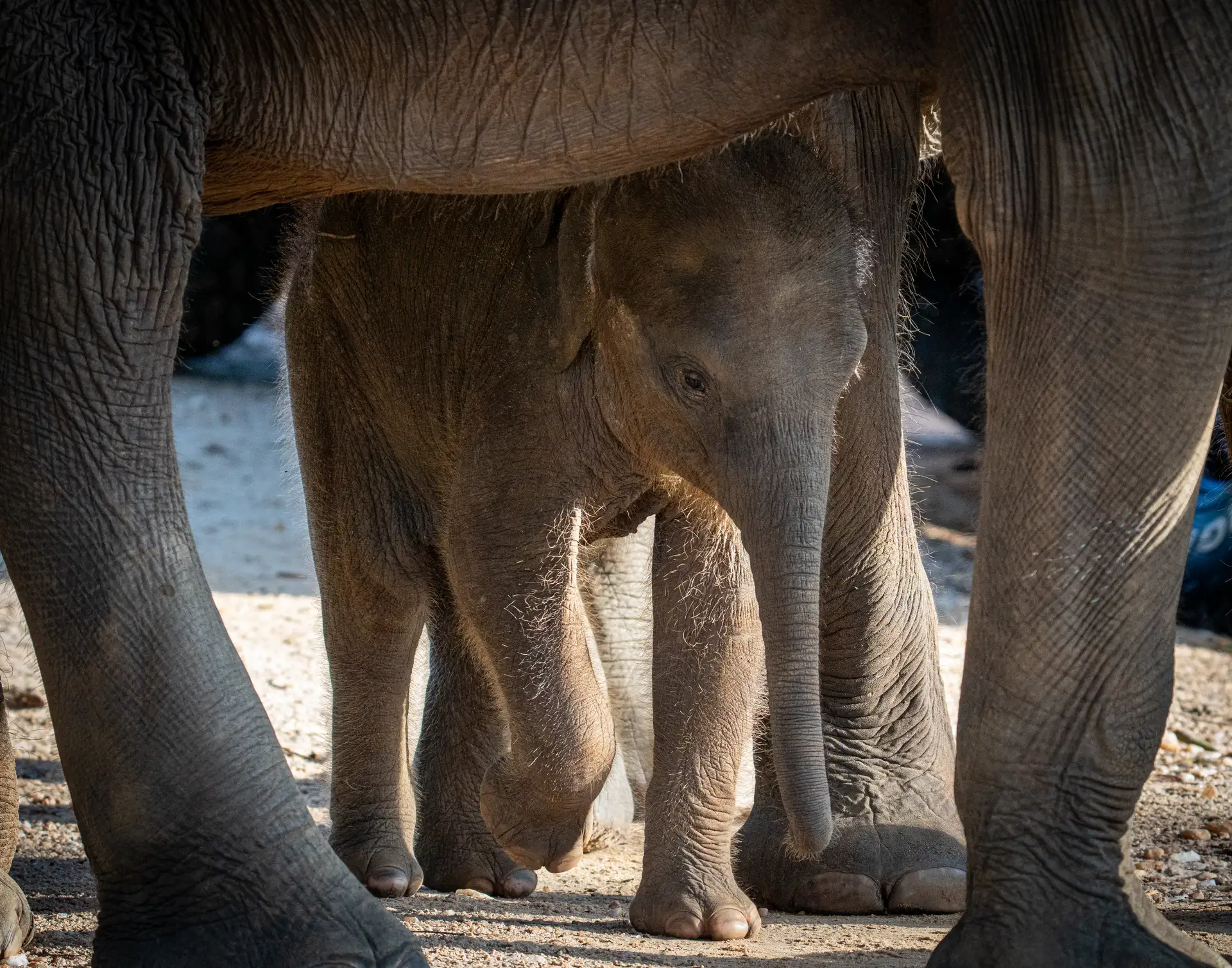
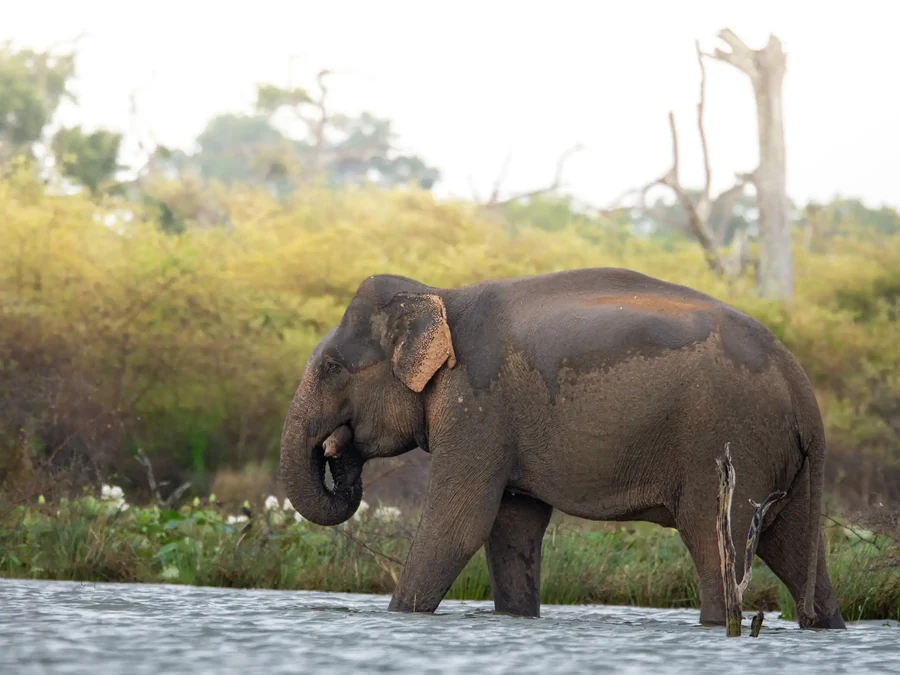
In that time, you will almost certainly see elephants, likely multiple times. You will see birds, buffalo, crocodiles, deer, and the reservoir landscape in good light. You will leave satisfied.
A full day in Udawalawe tends to feel long. The middle part of the day, roughly 10am to 2pm, is when the park goes quiet. The heat builds, most animals seek shade, and the tracks feel slow. Unless you specifically want a very long, immersive experience, most visitors find the half-day here sufficient.
Families with young children almost always do better with a half-day. The early start is manageable, the safari is focused, and you are back at the hotel before the day gets too long.
When a full day is worth it
For Yala, and particularly for Wilpattu, a full day significantly improves your chances at the rarer sightings.
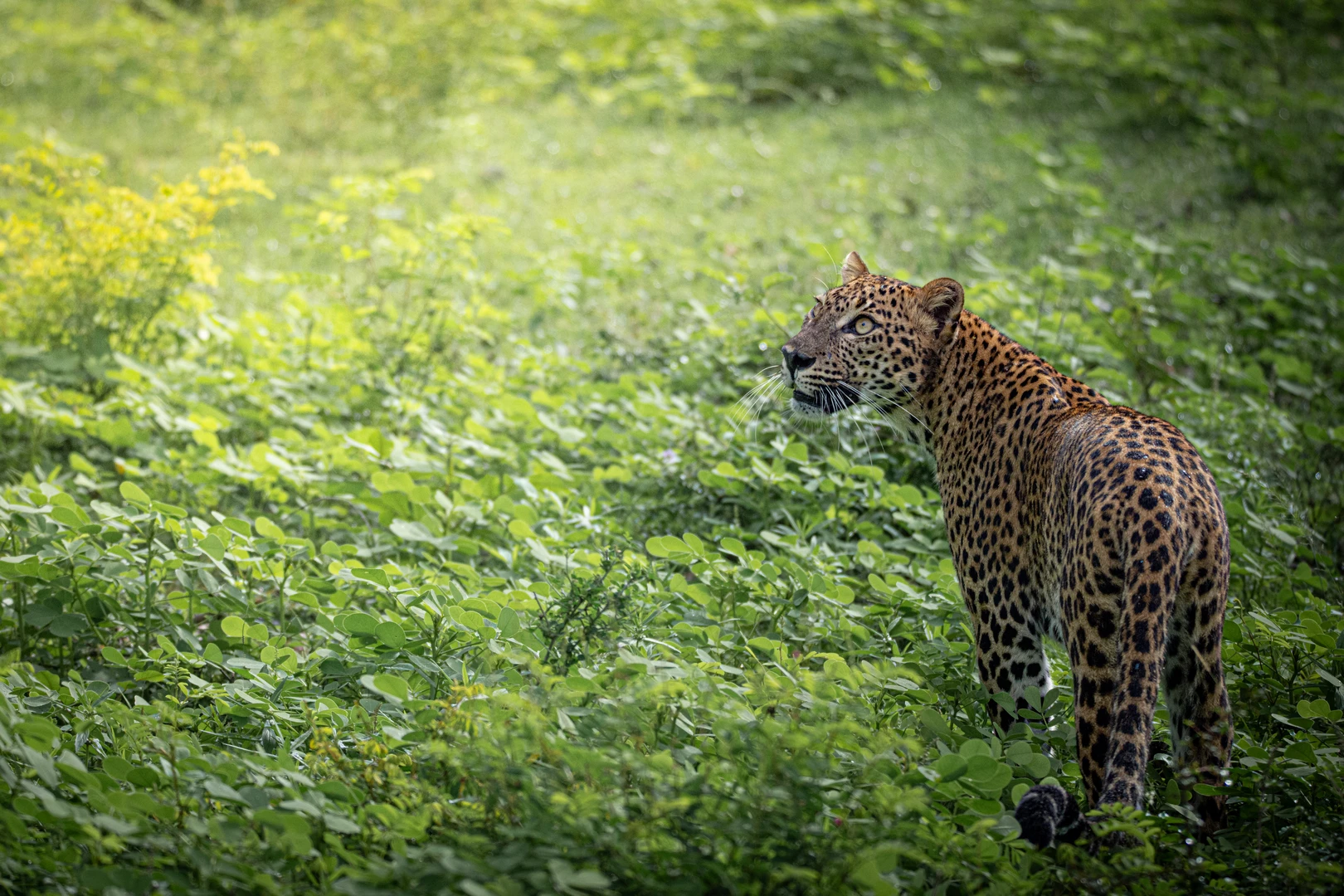
Leopards in Yala are most active in the early morning and again in the late afternoon. A half-day catches one of those windows. A full day catches both, with the added advantage that you have more time to be in the right place at the right moment. Some of the best leopard sightings I have seen have happened at 4 or 5pm, with the late light catching an animal that had been resting all day and finally emerged.
Full-day safaris also give you time to travel deeper into the park, reach areas that half-day trips never get to, and sit and wait in promising locations rather than always moving. Waiting is one of the most productive things you can do in a wildlife park. Half-days often do not allow enough of it.
For Wilpattu specifically, the full day is almost always the better option. The park requires patience and distance, and the long quiet stretches between sightings are part of what makes Wilpattu worth going to.
The honest trade-off
Full-day safaris are physically demanding. You are in an open jeep on bumpy tracks for eight to ten hours. The heat in the middle of the day can be significant. The roads in some parks, especially in the older jeeps, are hard on your back after the first few hours.
If you are someone who finds long physical days tiring, or if your overall travel schedule is already demanding, a half-day safari does not make you miss the experience. It just makes the experience more contained.
The question to ask yourself is: is there a specific reason I need more time? If the answer is to improve my chances at a rare sighting, or to visit a larger, deeper park, then the full day is worth it. If the answer is just that more seems like better, the half-day will usually satisfy.
A practical note on timing
Whatever format you choose, the morning window is the most valuable. If you can only do a half-day, do the morning. Enter at 6am when the gates open, not at 7 or 8 when others are already an hour in.
If you are doing a full day, protect the morning start. Arriving at the gate after sunrise is one of the most common mistakes, and it costs you the best part of the day.