This is only from my own experience guiding safaris in Sri Lanka. Wildlife is unpredictable, so what I have seen may not be the same as what you see. That's the beauty of it.
If you are coming to Sri Lanka between December and April, a safari is something worth including, especially if you are anywhere near the south of the island. It is one of the best ways to connect with nature here.
But the question always comes up: which park should you choose?
I have been in the same position myself, not knowing much, and now I spend a good part of my life inside these parks guiding guests. So let me explain how each park feels, what you can realistically expect, and a few things that can help you enjoy your safari more.
Udawalawe: the land of elephants
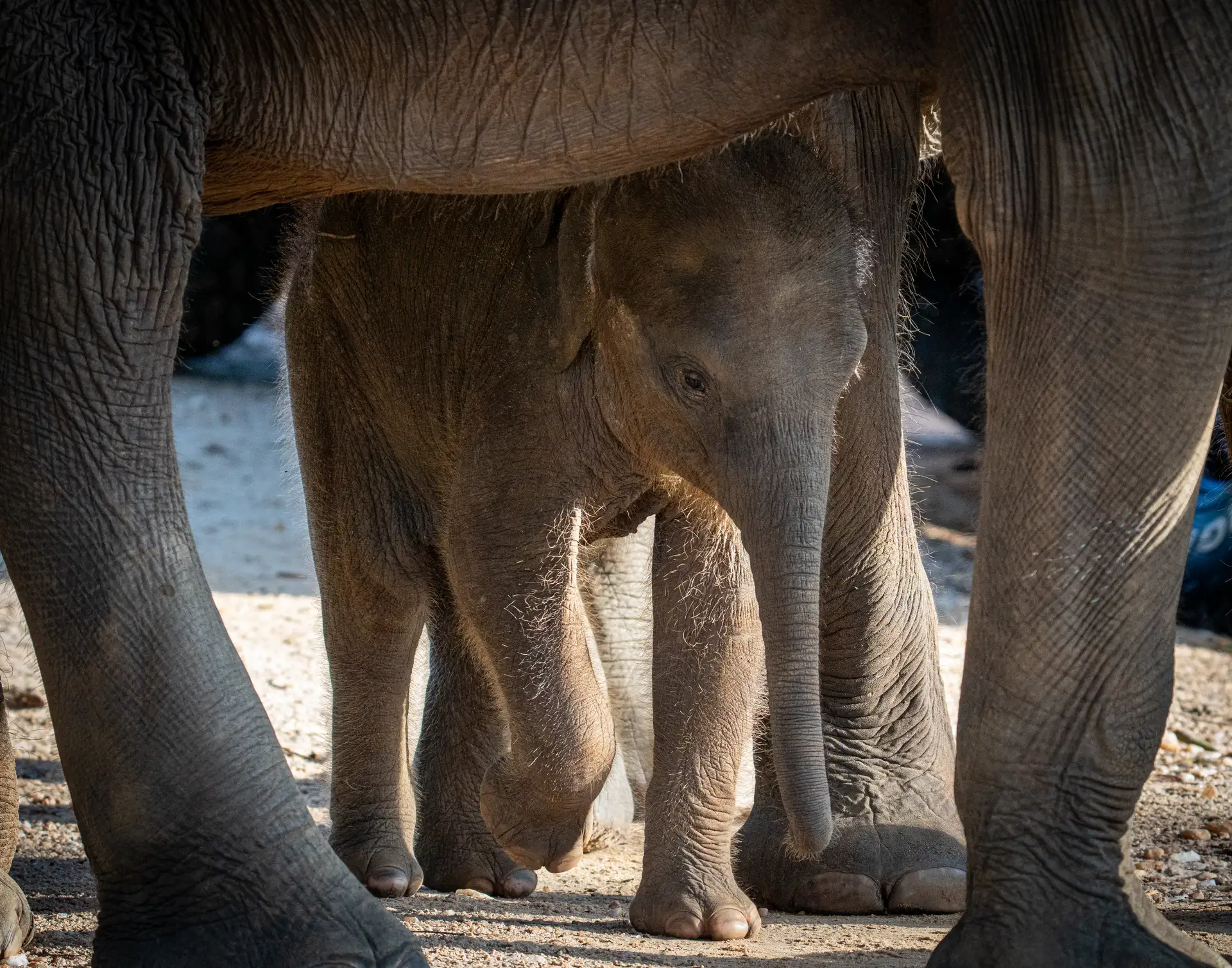
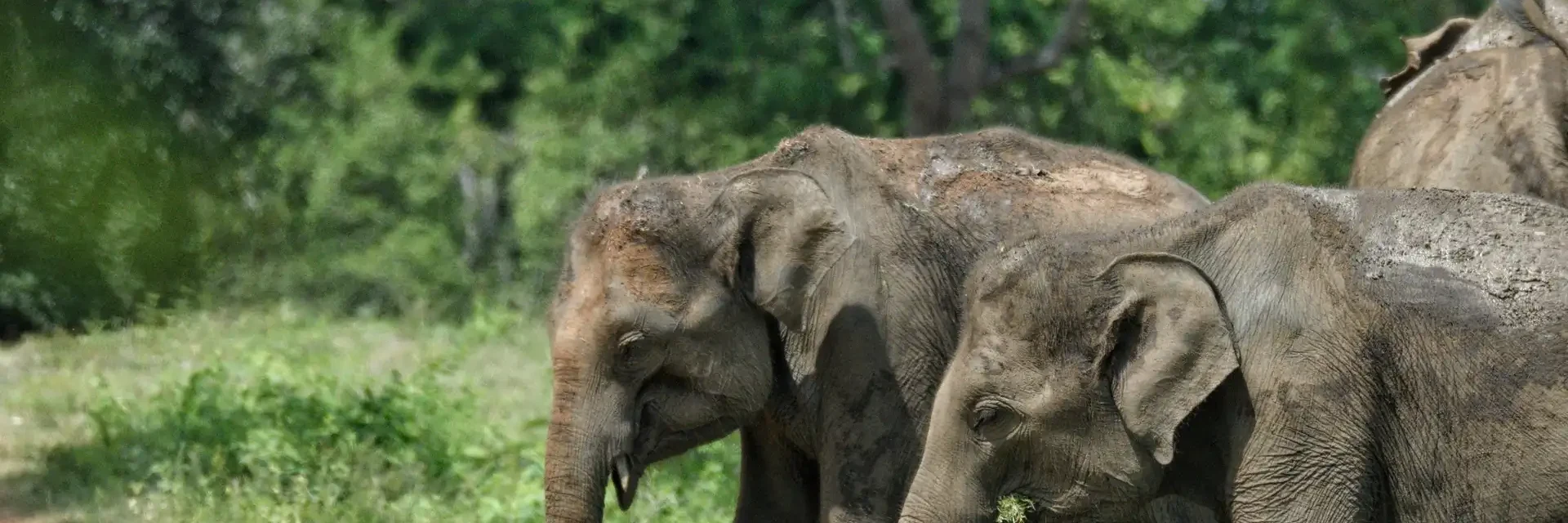
Udawalawe is the park for elephants. If that is your dream, this is where you go. It is one of the most reliable places in the world to see them in the wild.
Sometimes you see elephants within minutes of entering. You might find them grazing in the grasslands, bathing in the reservoir, or walking calmly across the road. I have seen entire herds with babies playing in the mud, and those moments stay with you.
The park itself is smaller and more open compared to Yala or Wilpattu, so sightings come more easily. That is why I usually recommend Udawalawe as a half-day safari. Four to five hours is the sweet spot. Families with children especially like it, because you do not have to wait long before something appears.
Besides elephants, Udawalawe is full of other animals. Water buffalo resting near the lakes, crocodiles lying half-submerged at the water's edge, sambar deer grazing quietly, troops of monkeys moving through the trees. The birdlife here is also excellent: hornbills crossing the sky, eagles circling above, bright green bee-eaters flashing past in the light.
One thing to be clear about: leopards do live in Udawalawe, but sightings are extremely rare. The open grasslands are not ideal leopard habitat, and the population here is much smaller than in Yala or Wilpattu. If your heart is set on leopards, this is not the park for that. Come here for the elephants and the open landscapes, and you will leave very happy.
Yala: more than just Block 1
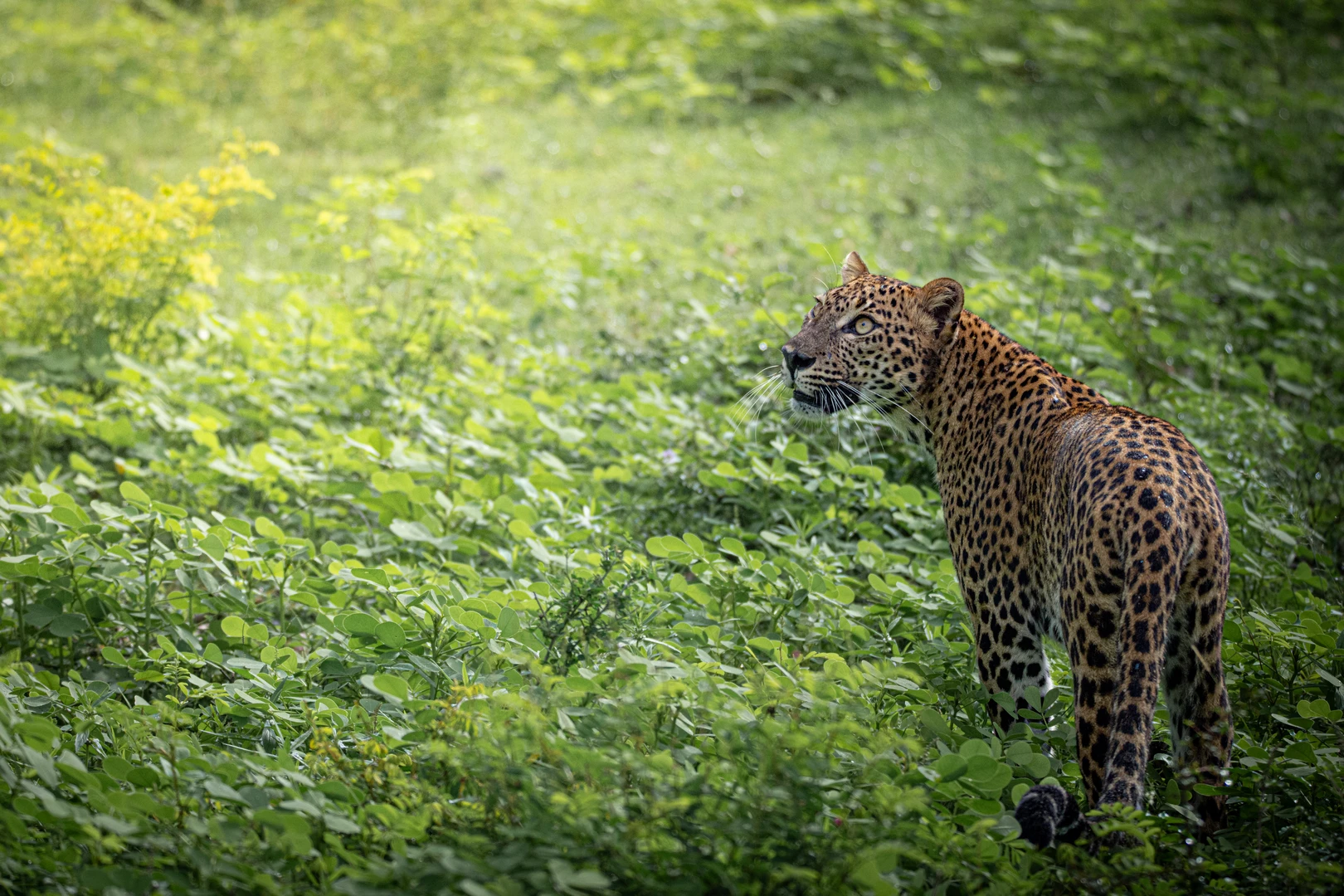
Most people hear Yala and immediately think of Block 1. This is the famous section known for its leopard population. It genuinely has one of the highest leopard densities in the world, and that is why it is so popular. But with that popularity comes crowds. On a busy day in Block 1, you can have hundreds of jeeps gathering around the same sighting. Sometimes it feels more like traffic than a safari.
If your main goal is leopards and you do not mind the chaos, Block 1 can give you your best chance. But a chance is not a guarantee. You may still go home without seeing one.
Yala is much bigger than just Block 1. Block 5 is smaller and calmer. On a busy day you might see 15 to 20 jeeps, which sounds like a lot until you compare it to the 100 or more in Block 1. Leopard sightings do happen in Block 5, and when they do, it usually feels more peaceful. You can actually stay with the animal without being swallowed by a crowd.
Then there is Block 6. Most visitors skip it because it is not famous for leopards. That is exactly why it stays quiet. Block 6 has elephants, buffalo, crocodiles, monkeys, birdlife, and most importantly, space. You can drive long stretches here without seeing another jeep.
For many of my guests, combining Block 5 and Block 6 is the best option. Block 5 gives you a fair chance at leopards while Block 6 gives you variety and calm. Compared to Block 1, this combination feels like a completely different safari. Less of a race, more of a chance to actually breathe and enjoy the wild.
One practical note: your park ticket covers both Block 5 and Block 6. You do not need to pay twice.
Wilpattu: the northern giant
Wilpattu is the largest national park in Sri Lanka, and it has a very different feeling compared to Yala or Udawalawe. The landscape is forested, dotted with natural lakes called villus, and the atmosphere feels calmer and more raw. Leopards live here too, possibly in greater total numbers than Yala, but because the park is so large the density is lower. That means sightings are less frequent and require patience.
What Wilpattu gives you is space. There are still jeeps here, and when a leopard or sloth bear appears, news spreads quickly and vehicles gather. The difference is that outside of those big moments, you can often drive for long stretches without disturbance. That contrast is what makes sightings in Wilpattu feel special. You might go an hour with only birds and deer, and then suddenly find a leopard by a lake or a sloth bear crossing the track.
Wilpattu is not a park for someone looking for constant action. But if you value quiet stretches, do not mind waiting, and appreciate the build-up as much as the sighting itself, Wilpattu has a unique magic.
How much time do you need?
Time works differently in each park.
In Udawalawe, a half-day safari is enough. The park is smaller and more open, so in four to five hours you see plenty. A full day here usually feels like too much.
Yala and Wilpattu are larger and more spread out. A half-day still gives you good chances, especially mornings or evenings. But if you have the patience and energy, a full day is worth it in both. In Yala, mornings are best for leopards, but elephants, birds, and crocodiles keep the middle hours interesting. In Wilpattu, long quiet stretches are normal, but full-day trips give you the time to be present when something finally happens.
A few things that can make your safari better
Most safaris in Sri Lanka are led by jeep drivers who also act as trackers. Many of them know the park very well, sometimes from years of experience. But since they are driving in front while you sit in the back, communication is not always easy. They will often point at an animal and say the name, but there is not always space for explanations or stories. If you can, hiring a separate guide makes a real difference. A good guide sits with you, explains behaviours, answers questions, and makes the whole experience more personal.
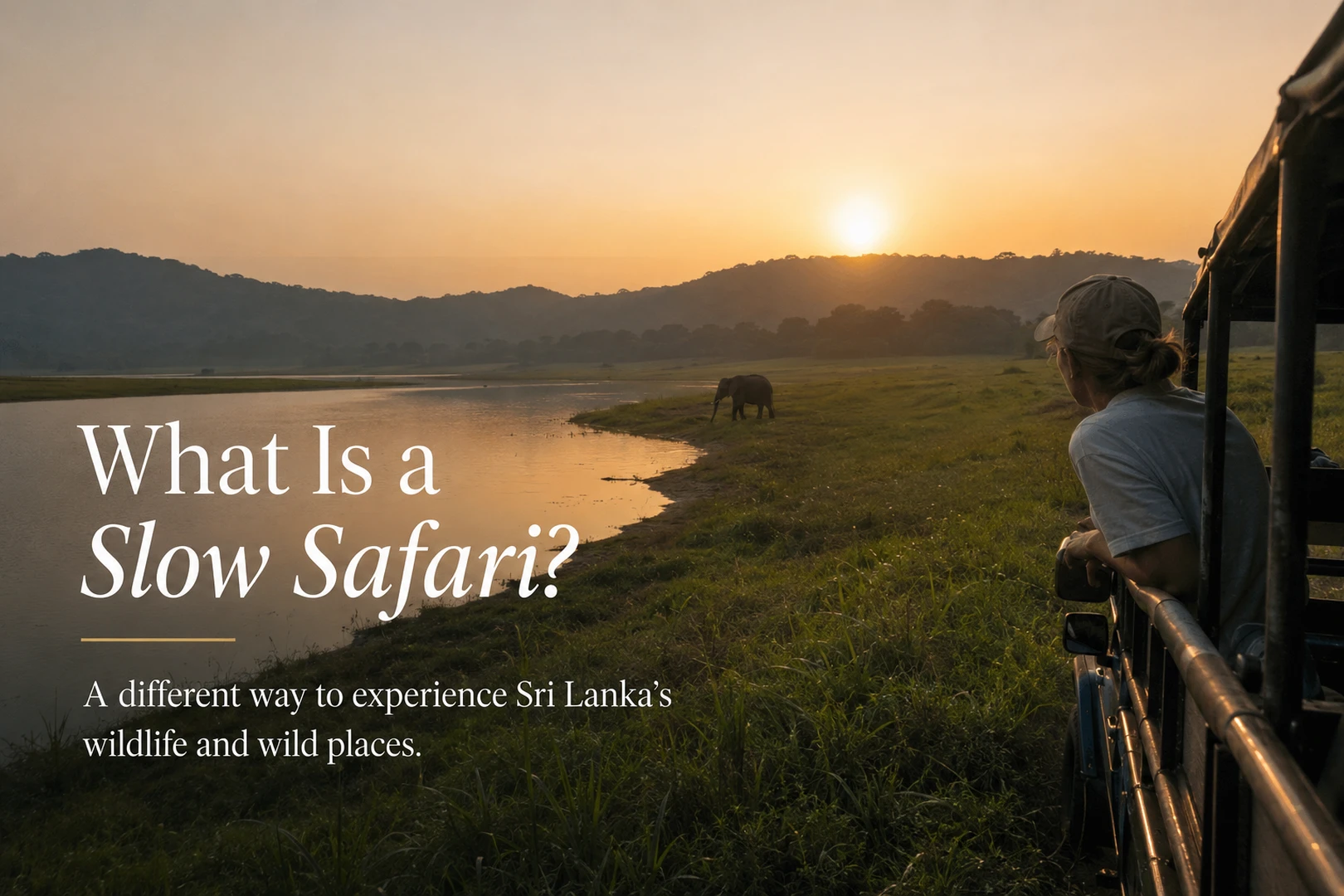
Another thing worth knowing: when news of a leopard or a big sighting spreads inside the park, it often turns into a race. Jeeps speed up, vehicles gather around the same spot, and suddenly the atmosphere shifts completely. If you prefer a calmer style, say it clearly and early: "We would love to see a leopard, but please no rushing. Let us take it slow." Almost every driver will respect that if you say it before you enter.
The truth about safaris
A safari is never about guarantees. Some days you might see elephants or even a leopard within the first few minutes. Other days you can drive for hours and only come across deer, monkeys, or birds. That is simply how the wild works.
If your mind is fixed only on one animal, there is a good chance you will walk away feeling disappointed. I have seen it many times. Guests who saw crocodiles, eagles, langurs, buffalo, and families of elephants, but still left unhappy because the one thing they wanted did not show up.
On the other hand, I have also guided safaris where no leopard appeared at all, and yet those guests told me it was their favourite day in Sri Lanka. Simply because they got to sit quietly watching elephants bathe without another jeep in sight, or because they felt the silence of the forest as the sun went down.
When you go in with an open mind, every safari has something to give.
The small things, which at first may feel like background details, are actually part of the rhythm of the wild. The flash of a bee-eater's wings catching the light, a crocodile lying so still it looks like a log, langurs calling from the treetops, the shadow of an eagle gliding across the grass. These moments are just as real as any leopard sighting.
So if you ask me which park to choose this season: Udawalawe if you want elephants, Yala Block 5 and 6 if you want a calmer chance at leopards and variety, and Wilpattu if you are patient and prefer peace.
Whichever you choose, go in with an open heart. The wild will surprise you in its own time.