Most people ask before booking: should I go in the morning or afternoon?
Both are good, but for different reasons. The best choice depends on what you want from your safari.
The morning safari
A morning safari typically starts just after 6am, when the gates open. This is when the park is coolest, quietest, and most alive.
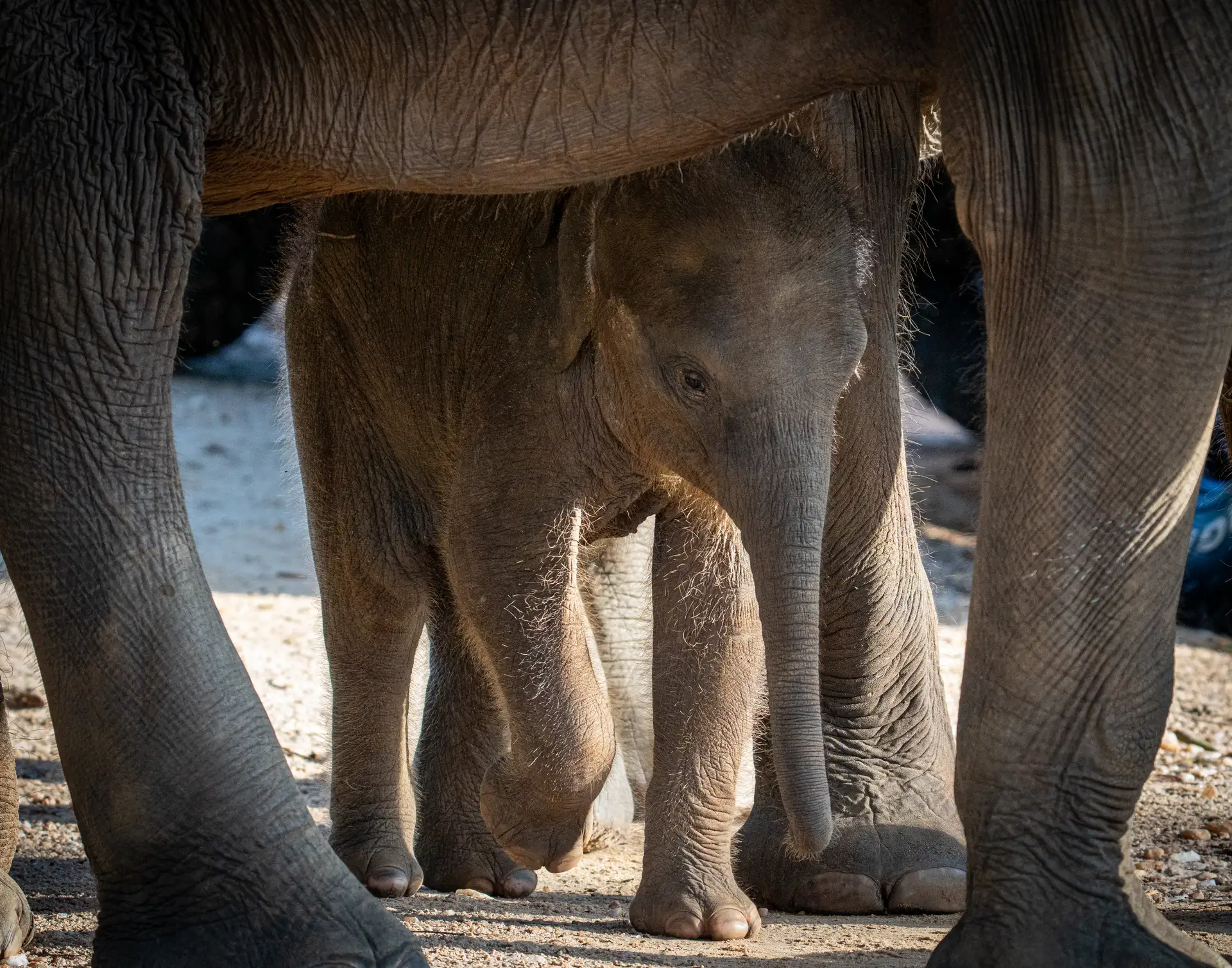
Animals are most active in the first two hours after sunrise. Elephants move toward water. Birds call from every direction. The light is soft and golden, which also makes for much better photographs than the harsh midday sun.
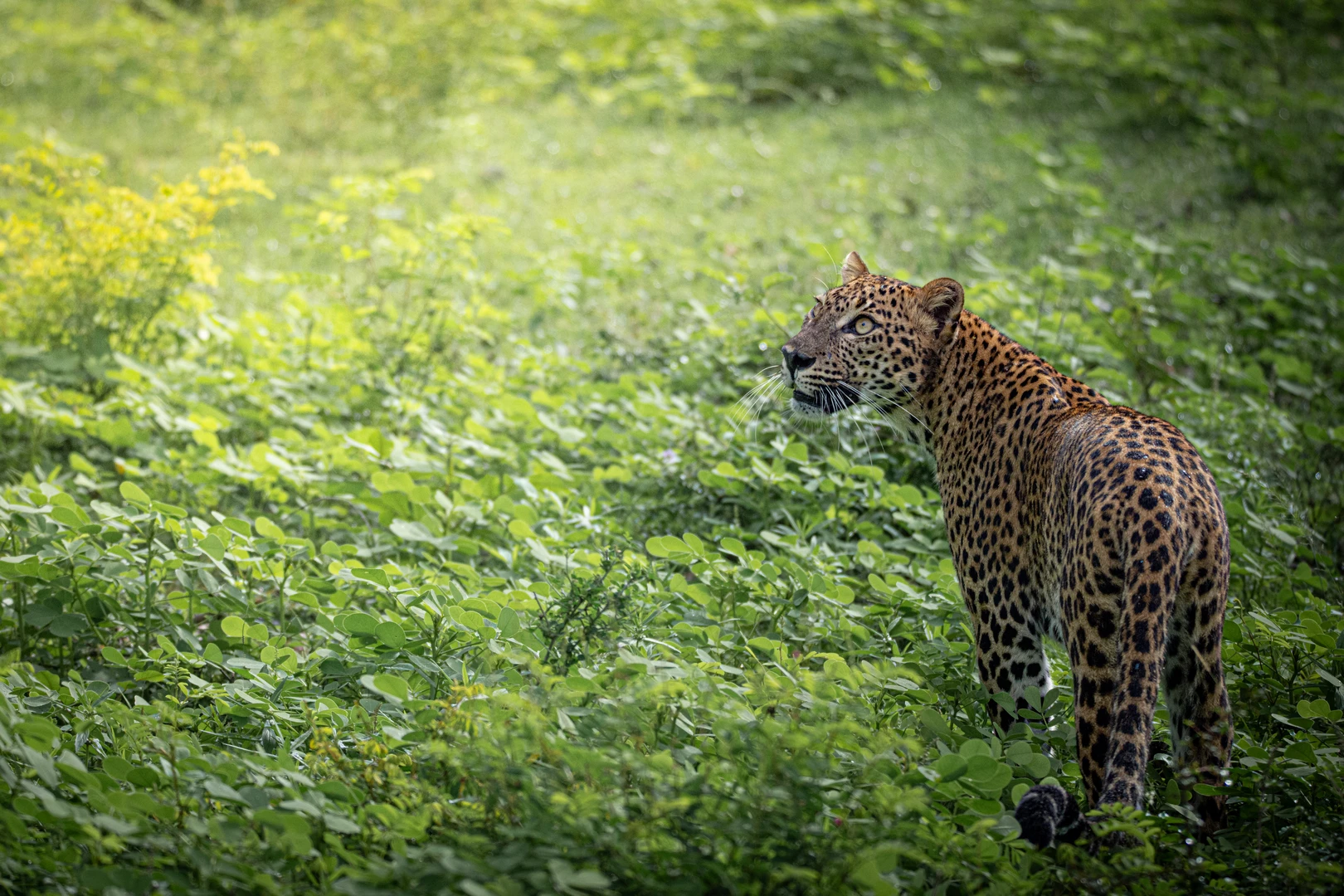
In Udawalawe, the early morning is when you'll find elephant herds at the reservoir. In Yala Block 5 and 6, the low light is exactly when leopards are most likely to be moving.
Best for: First-timers, photographers, anyone who wants the most wildlife activity.
The afternoon safari
An afternoon safari usually enters the park around 2:30–3pm and stays until closing at 6pm.
The afternoon has its own quality. The light changes dramatically in the last hour before sunset, turning warmer, redder, and often spectacular. Animals become active again as the temperature drops. And the park is often slightly quieter than the early morning, especially mid-week.
The disadvantage is that you miss the first-light window, which is genuinely the most active period. But the sunset light can produce moments that are hard to describe.
Best for: Those who prefer a slower start to the day, or guests staying only one night who can't manage an early departure.
What about a full day?
A full-day safari captures both windows: sunrise entry and sunset exit, with a midday break when the park quiets down. This is the format that gives you the deepest experience of the park.
You'll cover more ground, have time to sit and wait rather than always moving, and genuinely see parts of the park that short safaris never reach.
The trade-off is a long day. If you're not prepared for heat and bumpy roads, a 4 or 6-hour safari will serve you better.
Our honest recommendation
For Udawalawe, mornings are the clearer choice. Elephants move toward the reservoir in the early hours, the air is cool, and the golden light makes everything more vivid.
For Yala Block 5 and 6, the answer is less obvious. Mornings are excellent — the first hour after the gates open is when leopards are most likely to still be active after a night of movement. But leopards and sloth bears are crepuscular animals, most active at dawn and dusk. That means the late afternoon has its own strong argument: as the temperature drops and the light turns red, cats that have spent the day in shade begin to move again. If we had to choose one window for Yala Block 5 specifically, we would lean slightly towards the afternoon — particularly for guests hoping to catch a leopard in the last hour before closing.
That said, some of the most memorable wildlife encounters happen at unexpected moments, morning or afternoon.
Nature doesn't follow a schedule.
Come at the time that works for your trip. We will make sure you are in the right place, whatever the hour.