The practical difference between a private and shared jeep safari is simpler than it might seem, but it shapes the experience more than most people expect.
What a shared jeep means
A shared jeep is a vehicle with guests from different bookings in it: sometimes strangers who booked separately and have been added to the same vehicle by an operator looking to fill it.
You may be joining two people who want to spend the whole time in Block 1 hunting leopards while you would prefer a slower, quieter experience. You may be with a family with young children who need to leave by 9am while you want to stay until 11. You may be with a very experienced wildlife photographer who wants to stop at every bird while others in the jeep do not.
These are not hypothetical situations. They happen regularly, and they change the dynamic of the day in ways that are hard to resolve once you are inside the park.
The driver of a shared vehicle is trying to make multiple different people happy simultaneously. His ability to respond to what your group specifically wants is limited.
What a private jeep means
A private vehicle means your group is the only group. The driver's job is to give you, specifically, the best experience possible.
If you want to stop at a crocodile for twenty minutes, you stop. If you want to leave the crowded area and drive somewhere quieter, you go. If you want to turn the engine off and sit in silence for a while, that is what happens.
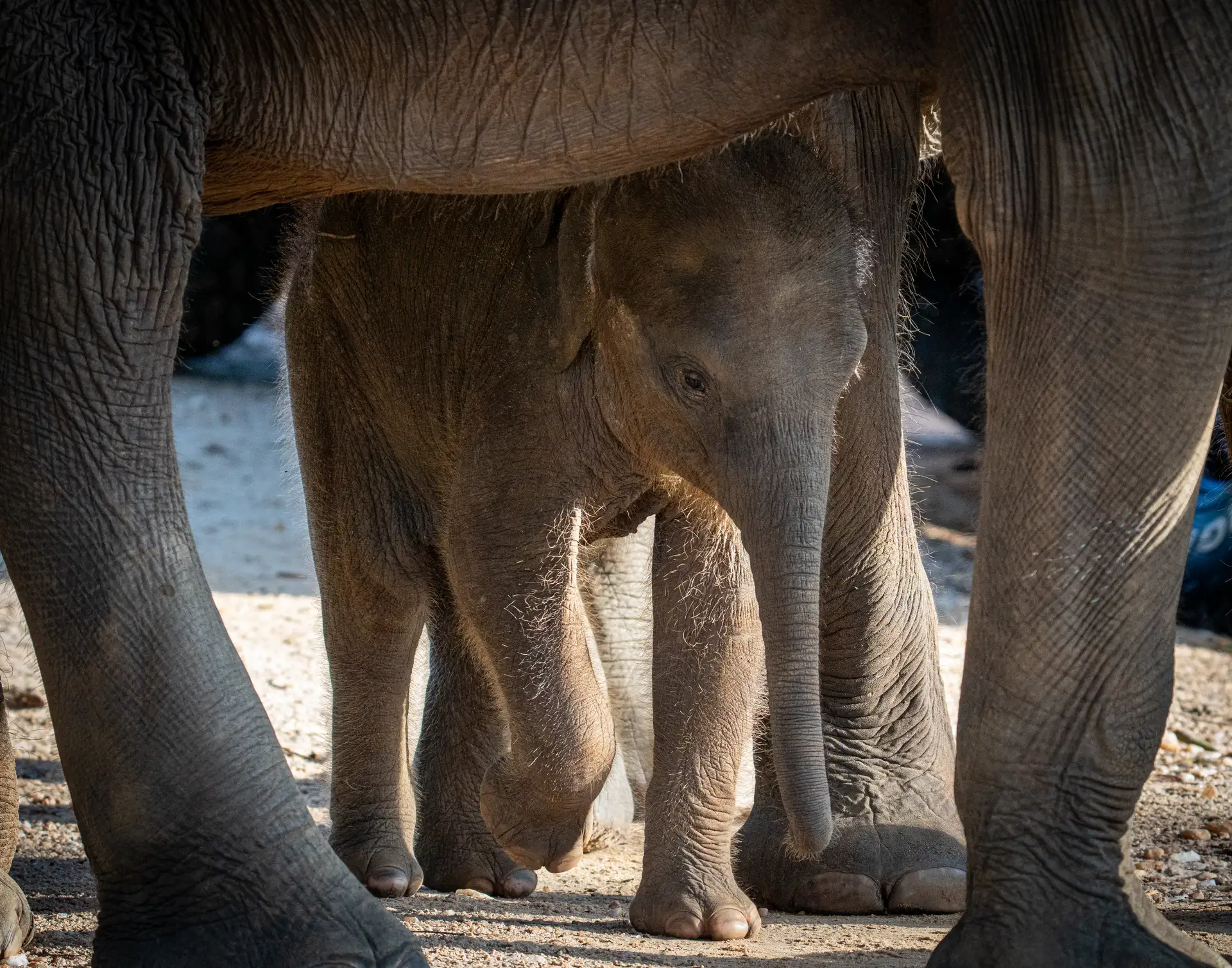
This sounds like a small thing until you are in a shared jeep and want to stay with an elephant family while the other guests are done after five minutes and ready to move on.
The pace, the routes, and the decisions about where to spend time: in a private vehicle, all of these are shaped around your group. That is the fundamental difference.
The cost difference
Private vehicles cost more because you are paying for the whole jeep rather than a share of it. But across a group of two, three, or four people, the per-person cost difference is usually modest.
For two people: a private jeep might cost 40 to 60 USD more total than two separate shared bookings. Per person, that is 20 to 30 USD, which is one restaurant meal.
For four people: the cost per person of a private jeep is often very close to a shared booking, because you are effectively filling the vehicle yourselves.
For solo travellers: the economics of a private vehicle are harder. You are paying for a whole jeep by yourself. Whether that is worth it depends on how much the pace and control matter to you.
Which one is right for you
If budget is very tight and you are flexible about pace and companions: shared is fine. Most shared safaris work out reasonably well.
If you have specific preferences about pace, routes, or stopping behaviour: book private.
If you are traveling as a couple or a small group: private is almost always worth the modest additional cost.
If you have booked what sounds like a shared safari and it feels uncomfortable or rushed inside the park: this is worth noting for future bookings. The experience of a private vehicle is substantially different and for most guests, the difference pays for itself in how the day feels.
The best moments in a safari require the freedom to stay still.
That freedom is much easier to create in a private vehicle than in a shared one.