Ethical safari is a phrase that appears on a lot of websites. Ours included. It is worth being honest about what it actually means.
Because the truth is, no safari anywhere in the world is without impact. Driving a vehicle through a national park disturbs the animals in some way. The fees we pay contribute to conservation in some places and to corruption in others. The roads exist because there is a market for this kind of experience. None of that disappears because an operator calls themselves ethical.
So rather than claiming a perfect standard, I want to explain what the concept actually means in practice and what questions are worth asking.
What ethical behaviour in the field looks like
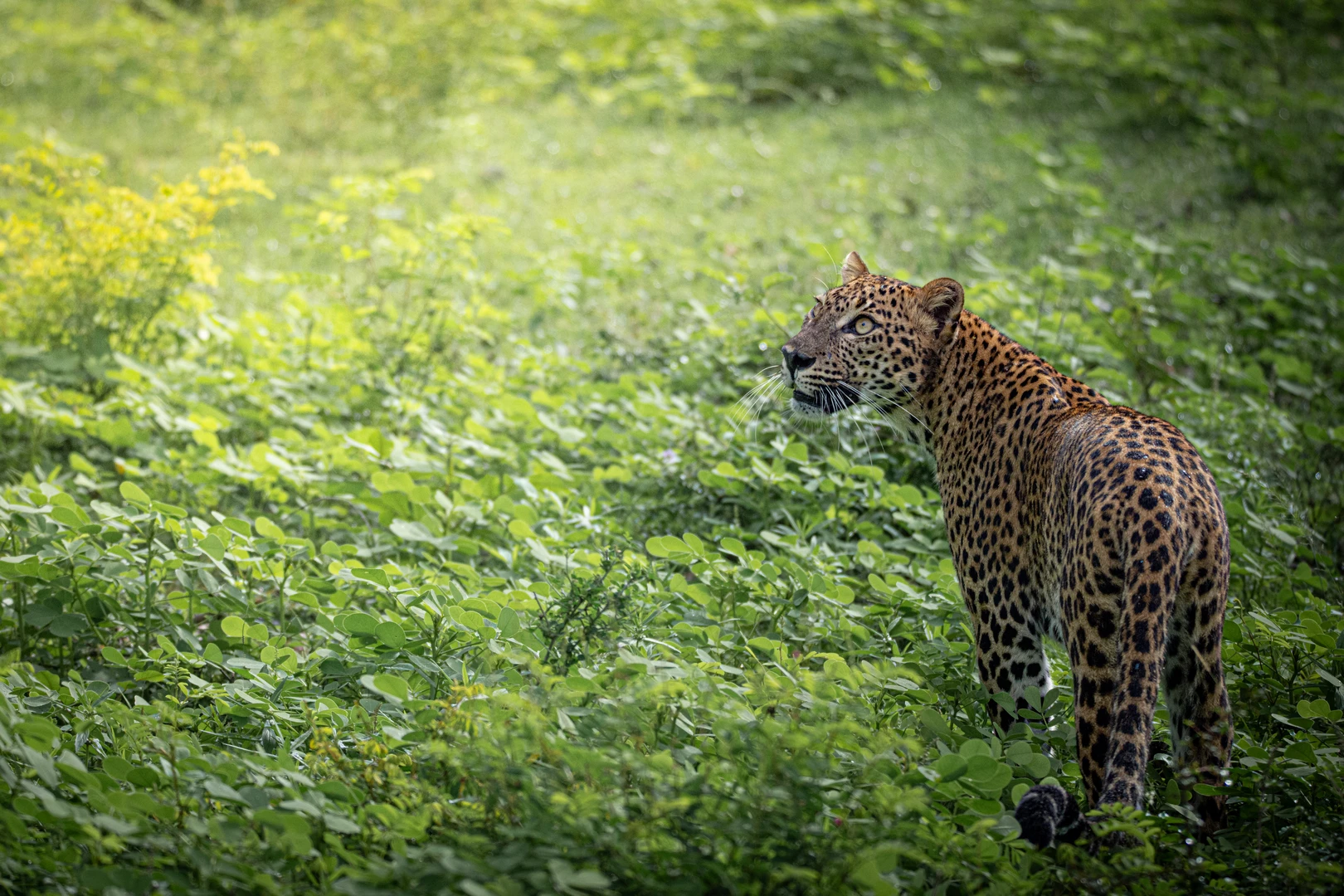
Keeping distance. This is the most basic thing and still the most commonly violated. An ethical driver does not drive close to an animal to get a better view for the guests. He keeps a distance that allows the animal to behave naturally. If a leopard is resting, the jeep does not inch closer every few minutes until the animal stands up and leaves. You watch from where you are.
Not chasing. When a driver hears on the radio that a leopard has been spotted two kilometres away, the ethical response is to assess whether going there is worth it based on how the current situation feels. Not to race across the park in a convoy with every other jeep. Chasing sightings is the main driver of the crowding problem in Sri Lanka's most popular parks.
Not blocking. If an animal is trying to cross a track and a line of jeeps prevents it from doing so, the ethical response is to clear the track. The animal's ability to move freely takes priority over the view from the vehicle.
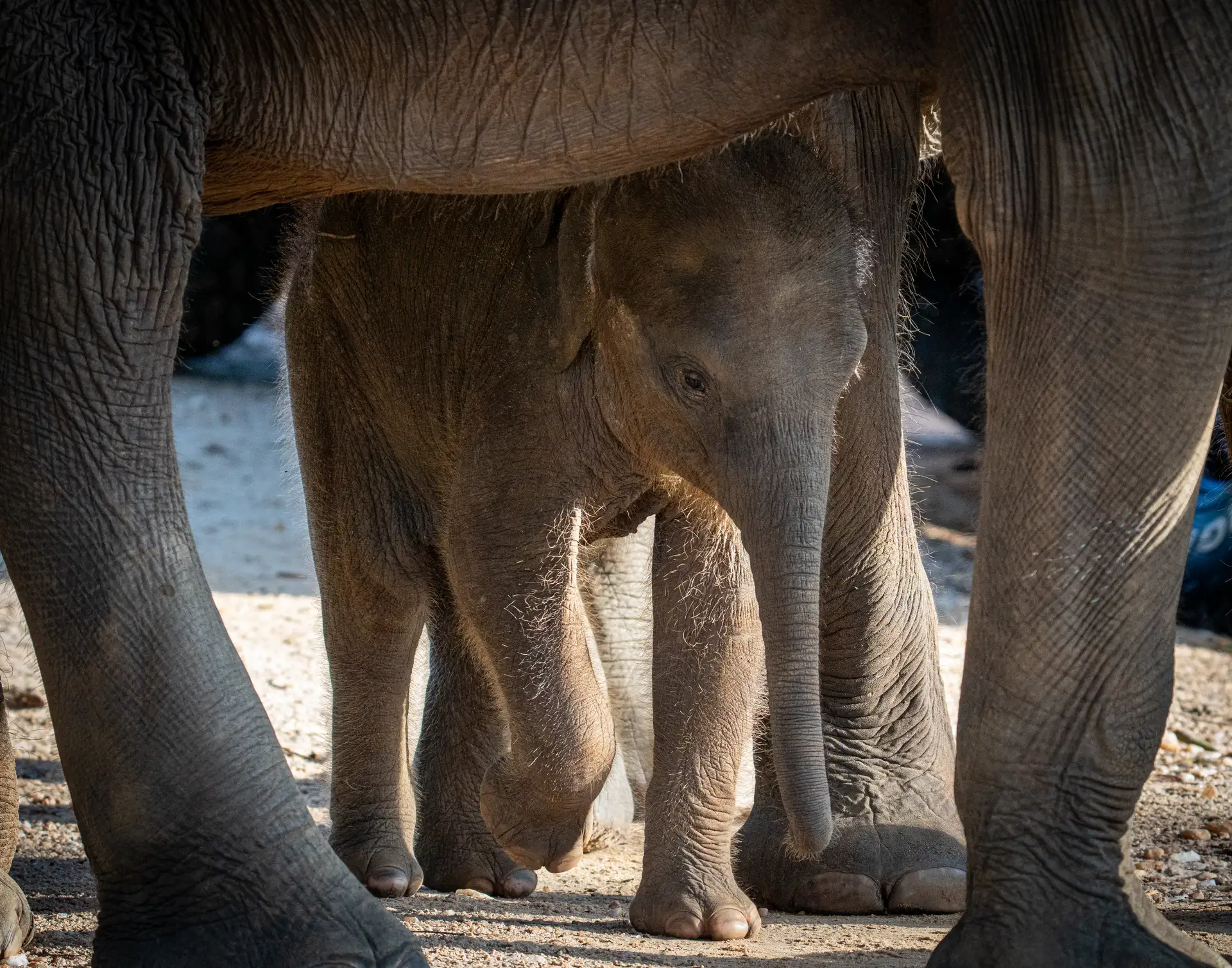
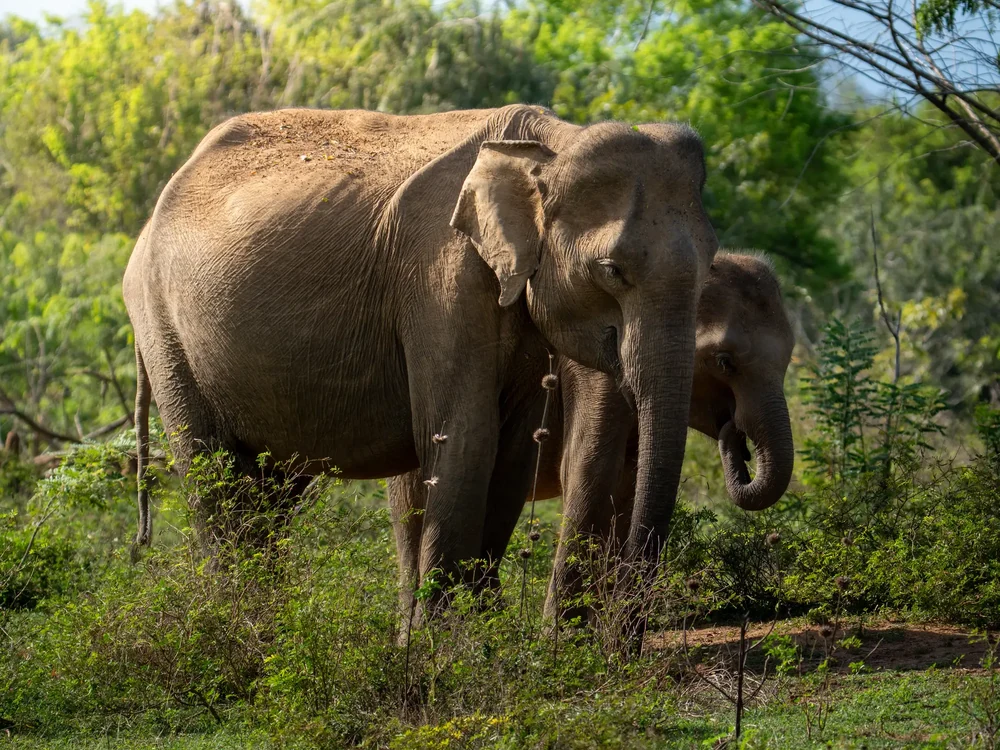
Not making noise. Elephants in particular are sensitive to vehicle noise. Engines should be cut when watching from close range. Guides and guests speaking loudly disturbs animals more than most people realise.
What it means for guests
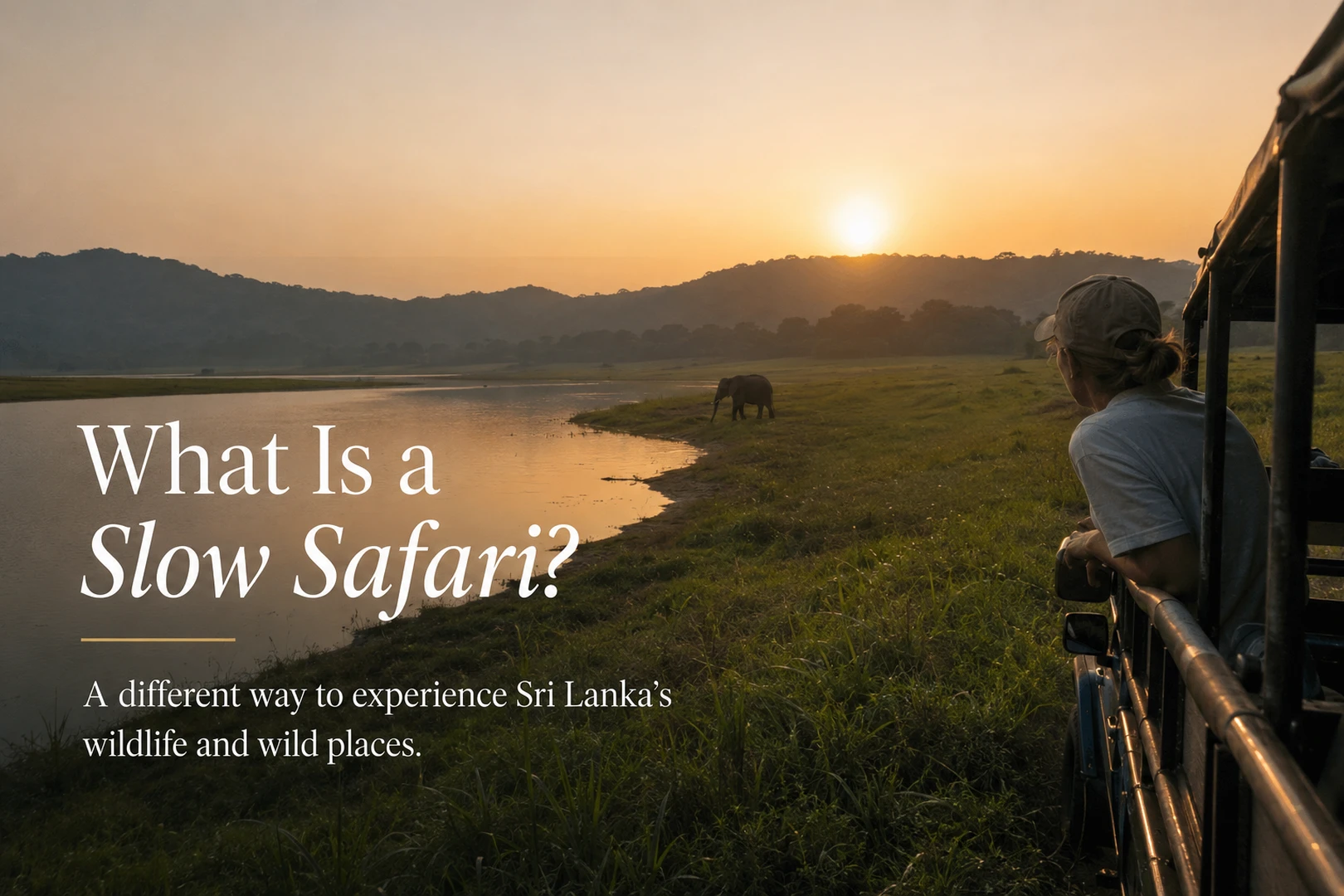
Something I tell every guest before we enter the park: the animals here are not performing for us. We are in their space. How we behave affects not just this safari but every safari after ours.
The most ethical thing a guest can do is simple: follow the driver's lead on distance and behaviour, resist the urge to push closer, and accept whatever the park decides to show rather than feeling entitled to more.
I have also seen guests pressure drivers to move faster, get closer, or follow radio calls the driver was already choosing to ignore. This happens more than you might expect. The guest's goal of the perfect sighting overrides their original stated preference for a calm, respectful safari.
If you hire an ethical operator, let them operate ethically. That means trusting their judgment about distance and pace even when it means missing a sighting.
The honest limits
I want to say this clearly. An operator calling themselves ethical is making a claim about their own intentions and typical behaviour. It is not a guarantee that every moment of every safari will be perfectly non-disruptive.
Some days in busy parks, even the most careful operator ends up near crowds because there is nowhere else to be. Some moments require going faster than you would like because of how the park is laid out. Some sightings are impossible to observe at a proper distance because of how they present themselves.
Ethical behaviour is a consistent orientation, not a checklist that can always be perfectly followed.
What you can judge is whether an operator is genuinely oriented in that direction. Whether they explain these things before you enter the park. Whether they are honest about the trade-offs. Whether their drivers act consistently with what the operator claims.
Those signals are more reliable than any certificate or marketing claim.