Yala Block 1 has one of the highest leopard densities in the world. It is world-famous for a reason. I have been inside it many times.
I do not take my guests there.
This is not a simple position to hold when most of what people read about Yala points directly at Block 1. So let me explain it honestly.
What Block 1 is like
On a busy day in Block 1, there can be 200 to 400 jeeps inside the park. The tracks that lead to known leopard territories, the rocky outcrops and water points where sightings regularly occur, become heavily trafficked. When a leopard is confirmed on the radio, vehicles converge within minutes. It is not unusual to see around twenty jeeps crowded around a single sighting.
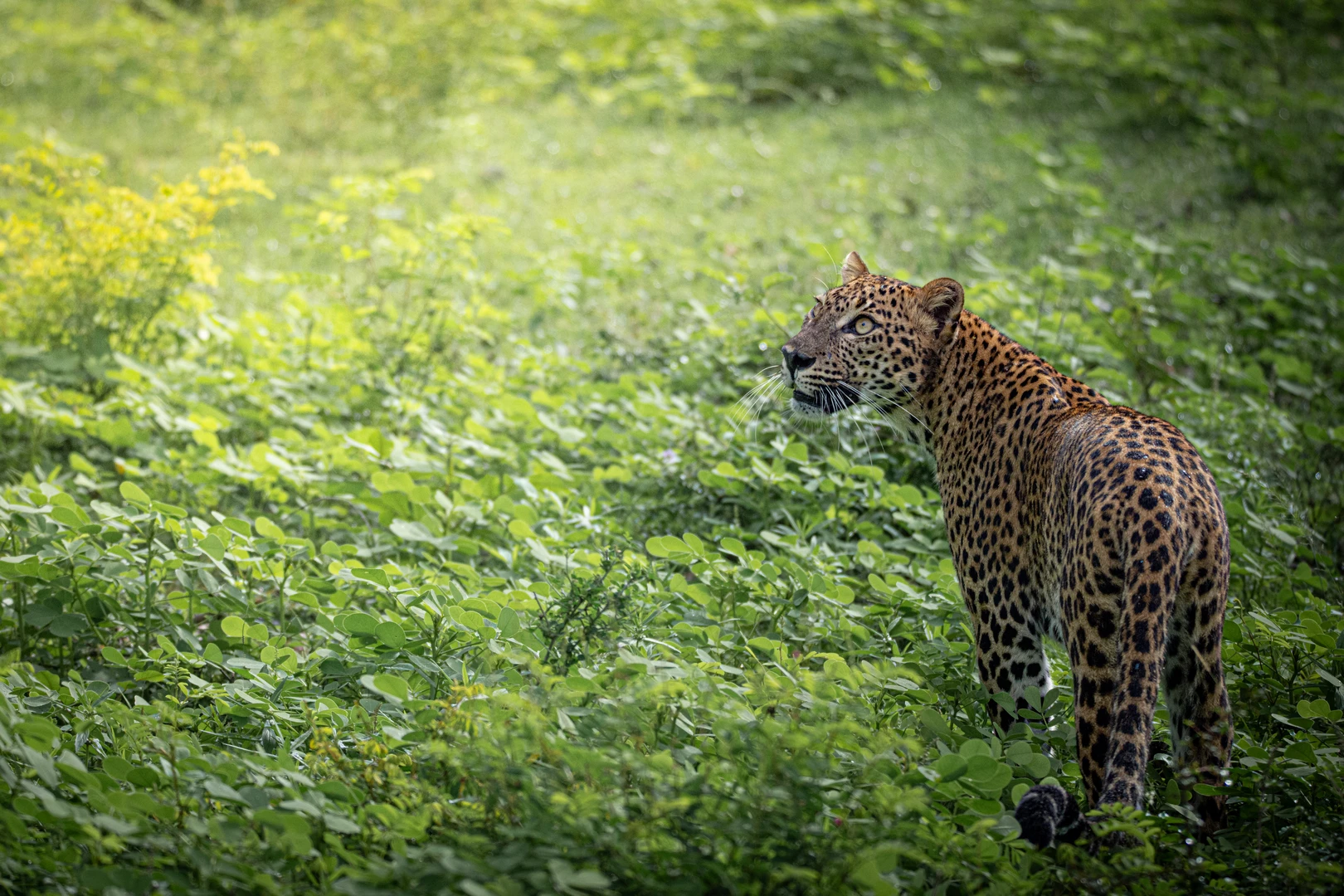
The leopard is there. The leopard is real. The photograph is possible.
But the experience around that moment is chaotic in a way that I find difficult to justify as a genuine wildlife encounter. The animal is surrounded. Engines are running. The noise level is high. Drivers jockey for position. Some come so close that the distinction between a national park safari and a zoo performance becomes uncomfortably thin.
I have watched leopards visibly stressed in Block 1, moving away from the cluster of jeeps, unable to cross the track they intended to use because of the vehicles blocking it. This happens regularly on busy days.
The argument for going anyway
I want to acknowledge this honestly. Some guests genuinely do not mind the crowds. For them, seeing a leopard is the goal, and Block 1 gives the best chance of achieving it. The crowding feels irrelevant when the animal appears.
That is a legitimate position. I respect it.
But it is not what I want to offer, and it is not what most guests who come to me are looking for.
What we do instead
Block 5 and Block 6 of Yala are a different experience. On most days, Block 5 has around 15 to 20 jeeps. Block 6 has fewer than ten. Sometimes on a given afternoon in Block 6, you will not see another vehicle for an hour at a stretch.
Leopard sightings happen in Block 5. Not as frequently as Block 1, but they happen. And when they happen, you are watching a leopard in something closer to its natural environment, with space around the sighting rather than a wall of jeeps.
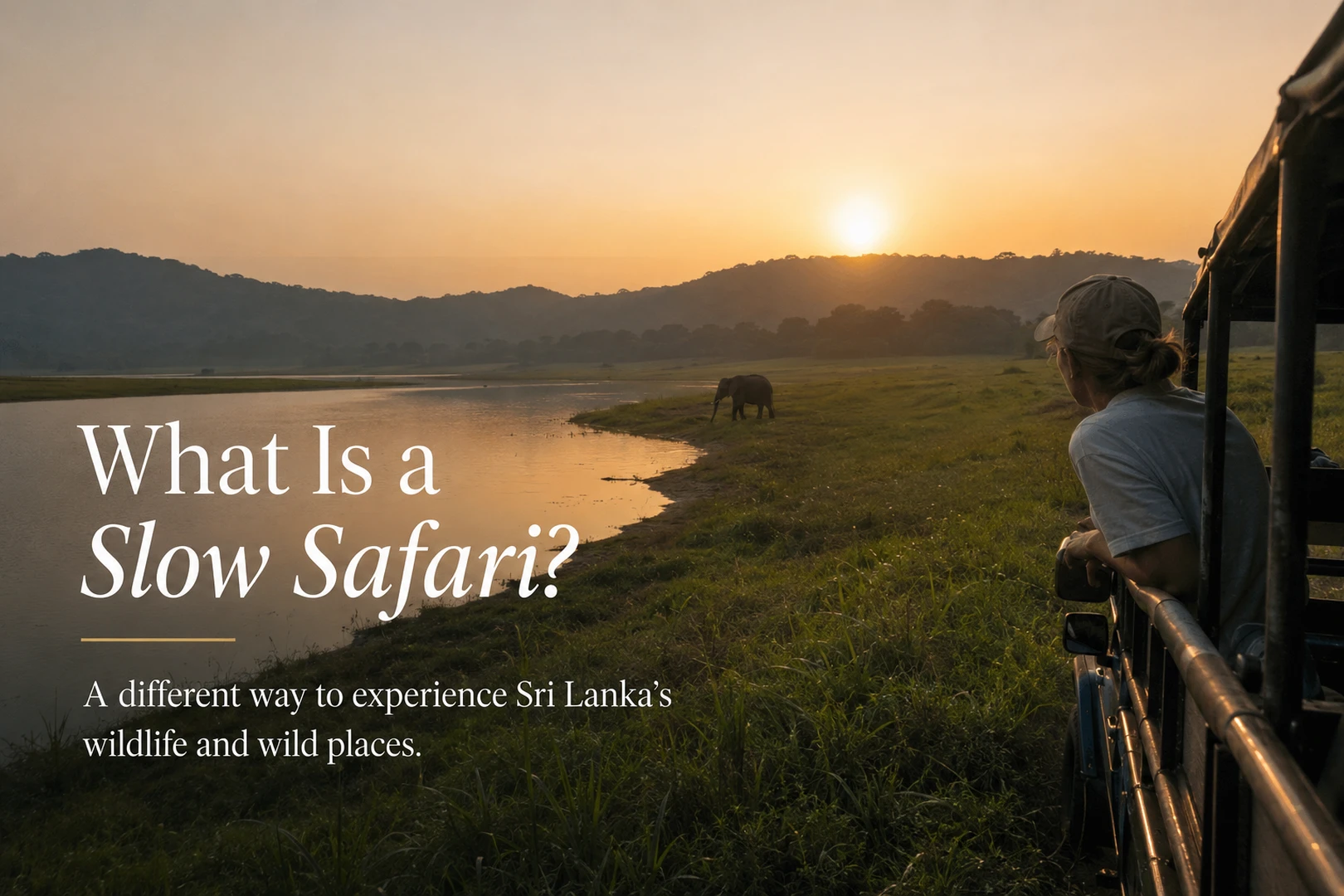
Block 6 is the part of Yala that most operators skip entirely because there is less chance of a leopard. For me, that is one of its main attractions. The wildlife variety is excellent. The landscape is open and beautiful. The absence of the rush that characterises Block 1 changes everything about how the safari feels.
One practical note: the park ticket for Block 5 covers Block 6 as well. You access both areas without additional cost.
What this means for guests considering us
If you come to us wanting the highest possible probability of a leopard at any cost, I will tell you honestly that Block 1 gives better odds and you might be better served by a different operator.
If you come wanting a genuine wildlife experience in Yala that feels like being inside the park rather than inside a crowd, Block 5 and Block 6 are where I want to take you.
The leopard in Block 1 is real. What surrounds it often isn't.
That is the honest version of why we make the choice we make.
If you want to go deeper on what Block 5 and Block 6 actually offer, our dedicated site Yala Ethical Safari covers it in full.