Wilpattu is not like Yala. It is not like Udawalawe. If you go expecting the same pace as either of those parks, you will probably be confused.
But if you go knowing what it actually offers, Wilpattu has a kind of magic that the more famous parks rarely match.
What the park is
Wilpattu is the largest national park in Sri Lanka, covering more than 1,000 square kilometres. It sits in the northwest of the island, which means it is a significant drive from the south coast circuit that most tourists follow. That distance alone keeps the crowds lower than Yala.
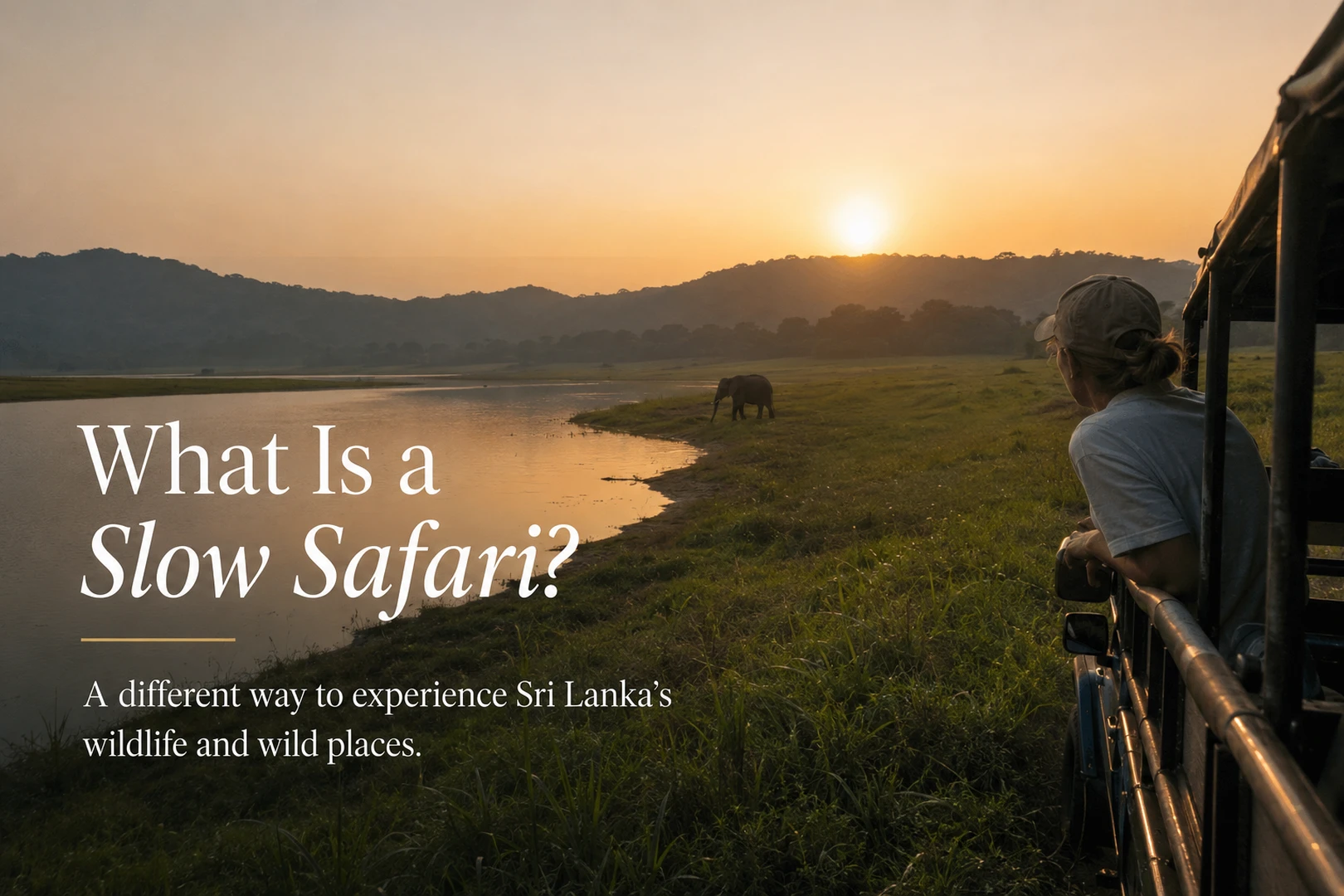
The landscape is defined by villus: natural shallow lakes fed by rain. These villus are scattered across the park and attract an enormous variety of wildlife. The forest between them is dense and varied, with a mix of dry zone jungle, open grassland, and thorny scrub.
The overall feel is wilder and less manicured than Yala. Tracks are rougher. The forest closes in more. You have the sense, in a way that you do not always get in Yala's more accessible areas, of being somewhere genuinely remote.
What you can see
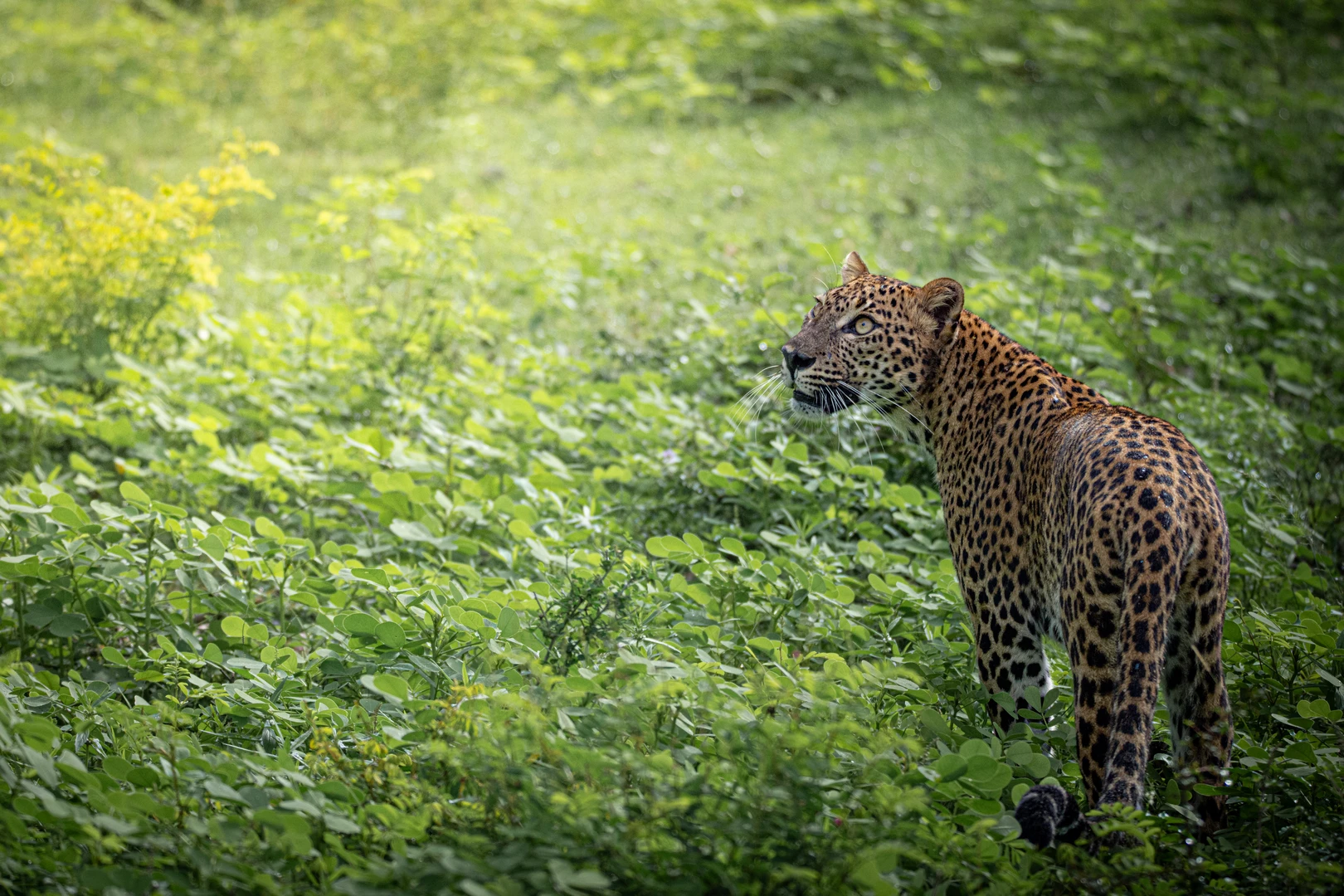
Wilpattu has leopards. The total population is possibly larger than Yala's, but because the park is so vast, the density is lower. Sightings happen, but less frequently and less predictably than in Yala Block 1. You need patience.
Sloth bears are also present in Wilpattu and sightings, while not common, do happen. These are secretive animals that rarely announce themselves, and Wilpattu's dense vegetation suits them.
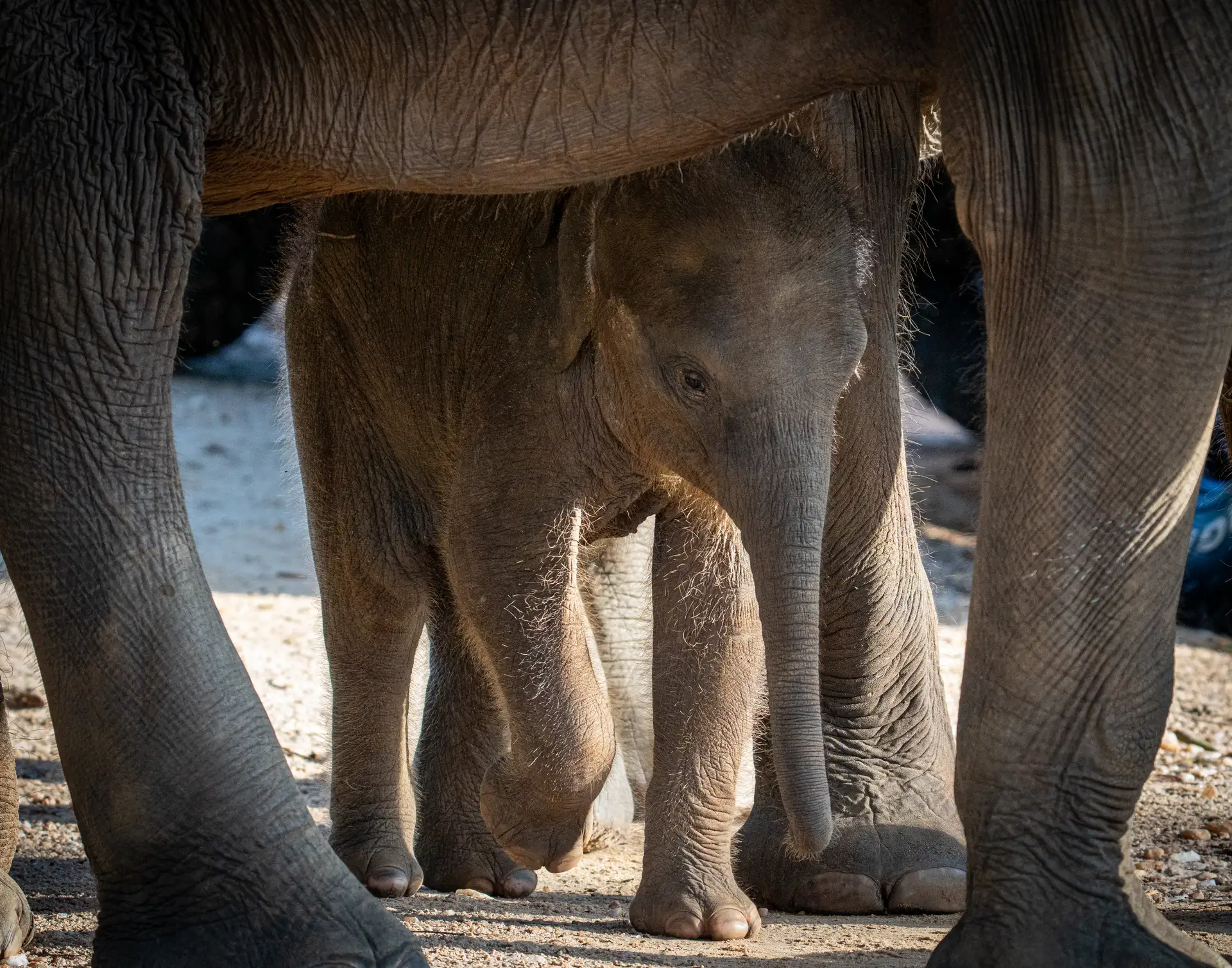
Elephants live here too, though again the density is lower than Udawalawe and the open visibility that makes Udawalawe reliable is not present in Wilpattu's denser landscape.
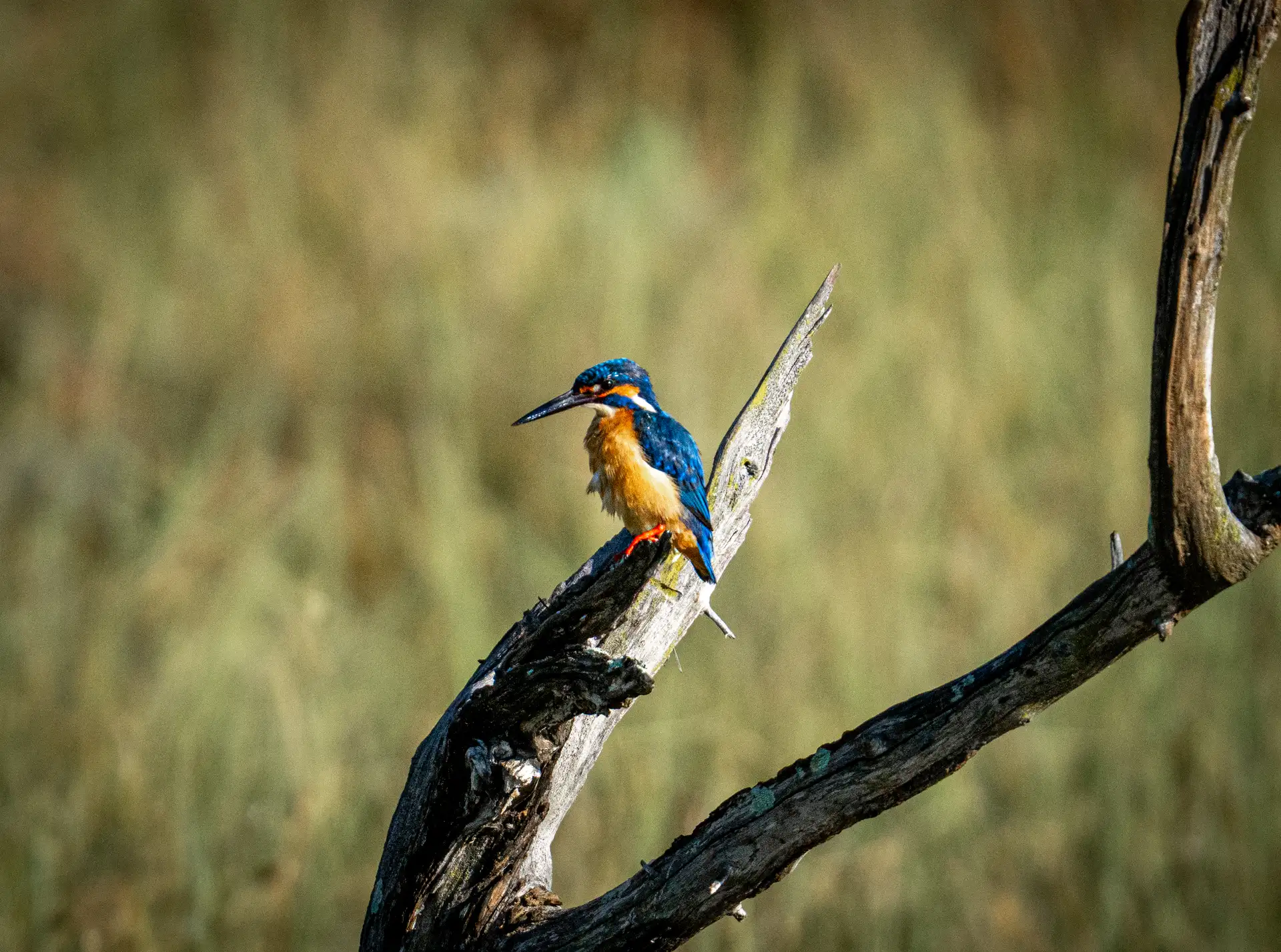
The birdlife is exceptional. Hundreds of species have been recorded in the park, and the villus attract large numbers of water birds. Painted storks, spoonbills, herons, eagles, and kingfishers are regular sightings around the lakes.
Deer, wild boar, monitor lizards, and crocodiles are all common throughout the park.
How safaris work here
The dynamic in Wilpattu is different from Yala in an important way. Outside of the moments when something big appears and news spreads between drivers, you can drive for long stretches here without seeing another vehicle. That is rare in Sri Lanka's popular parks.
But when a leopard or sloth bear does appear, the same thing that happens in Yala happens here too. Vehicles gather quickly. The information travels on the radio and drivers come from across the park to reach the sighting. The quiet vanishes for a while. And then it returns.
That pattern, long stretches of stillness followed by a moment of arrival and then stillness again, is part of what makes Wilpattu feel different from Yala's constant activity.
Who Wilpattu is for
Wilpattu rewards people who are not in a hurry and who can find the long, quiet stretches of the safari just as interesting as the sighting at the end of them.
If your definition of a good safari is constant action, movement, and a leopard within the first hour, Wilpattu may frustrate you. There are days here where nothing big appears for hours at a stretch.
If your definition of a good safari includes the atmosphere of being genuinely inside a large, unmanicured wilderness, the quality of the light on a villu at dawn, the feeling that you are somewhere properly wild: Wilpattu will give you that consistently.
It is also worth considering for travellers who are doing a longer itinerary through Sri Lanka and want to see the north or northwest of the island. Wilpattu sits near Anuradhapura and Mannar, and can fit naturally into a route that does not follow the standard south coast circuit.
Getting there and when to go
The main entrance is at Hunuwilugama, accessible from Puttalam or Anuradhapura. Most visitors staying in Colombo can reach it in around three hours.
The best season for Wilpattu is generally February to October. Like all Sri Lankan parks, the dry season concentrates wildlife near the remaining water sources and makes sightings more predictable. The north-west monsoon affects Wilpattu from November to January, and while the park does not close, visibility can be reduced and some tracks become difficult.
Mornings are best, as they are in all Sri Lankan parks. Enter at dawn and give yourself at least four to five hours.